
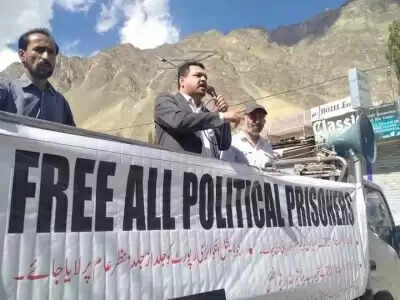
For decades, the region of Pakistan-administered Gilgit-Baltistan has been grappling with the consequences of neglect and lack of development. This picturesque area, known for its stunning landscapes and rich cultural heritage, has faced a severe crisis in basic infrastructure and essential services. The absence of adequate roads, healthcare facilities, and educational institutions has hindered the region’s progress and development, leaving its residents in a state of deprivation.
The challenges in Gilgit-Baltistan are manifold. Many villages remain isolated due to poorly maintained or non-existent road networks, making it difficult for residents to access markets, healthcare, and education. The lack of reliable electricity and clean drinking water further exacerbates the situation, leading to a decline in the quality of life for the local population. As a result, many young people are forced to migrate to urban centers in search of better opportunities, leaving behind a demographic gap and a loss of local talent.
Moreover, the ongoing political and administrative issues have prevented the region from receiving the attention it deserves. Despite its strategic importance and potential for tourism and economic development, Gilgit-Baltistan has often been overlooked in national planning and resource allocation. This neglect not only affects the current generation but also poses a significant threat to the sustainable development of the region in the future. Addressing these issues is crucial for improving the living conditions of the residents and unlocking the true potential of Gilgit-Baltistan.


