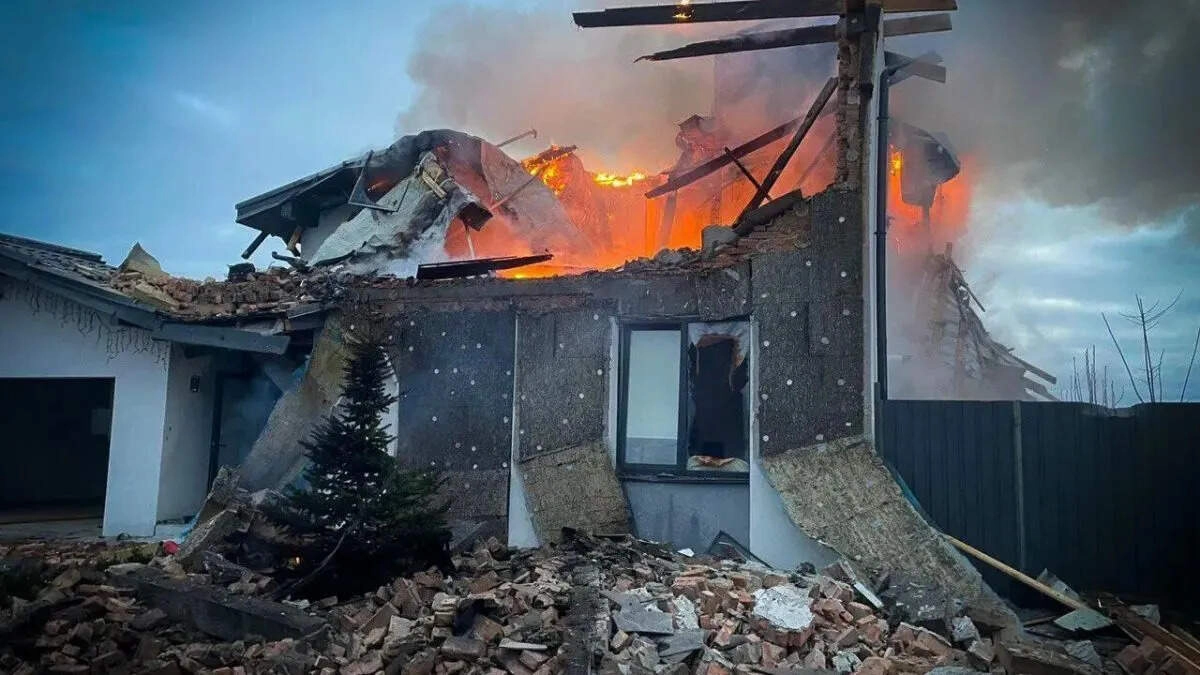
Before the meeting between Donald Trump and Volodymyr Zelensky, Kyiv was engulfed in chaos as Russia unleashed a wave of destruction through missile strikes and drone attacks. The situation in the Ukrainian capital intensified, with civilians scrambling for safety amidst the sounds of sirens and explosions. Reports indicated that several areas were targeted, resulting in significant damage to infrastructure and loss of life.
The timing of these aggressive actions by Russia raised concerns about the broader implications for international relations, especially in light of the impending discussions between the American and Ukrainian leaders. Both Trump and Zelensky have been vocal about their commitment to countering Russian aggression, and the recent attacks served as a stark reminder of the ongoing conflict and the stakes involved.
As Kyiv braced for the high-profile meeting, the atmosphere was charged with tension. The Ukrainian government sought to convey a message of resilience, emphasizing its determination to stand firm against Russian threats. However, the violent backdrop left many wondering how the discussions would unfold and what concrete measures could be taken to bolster Ukraine’s defenses.
In the face of such adversity, the global community was once again called upon to respond decisively. The events leading up to the Trump-Zelensky meeting underscored the urgent need for solidarity among nations in support of Ukraine’s sovereignty. As the world watched, the focus shifted to how the two leaders would address the crisis and work towards a sustainable solution in the region.