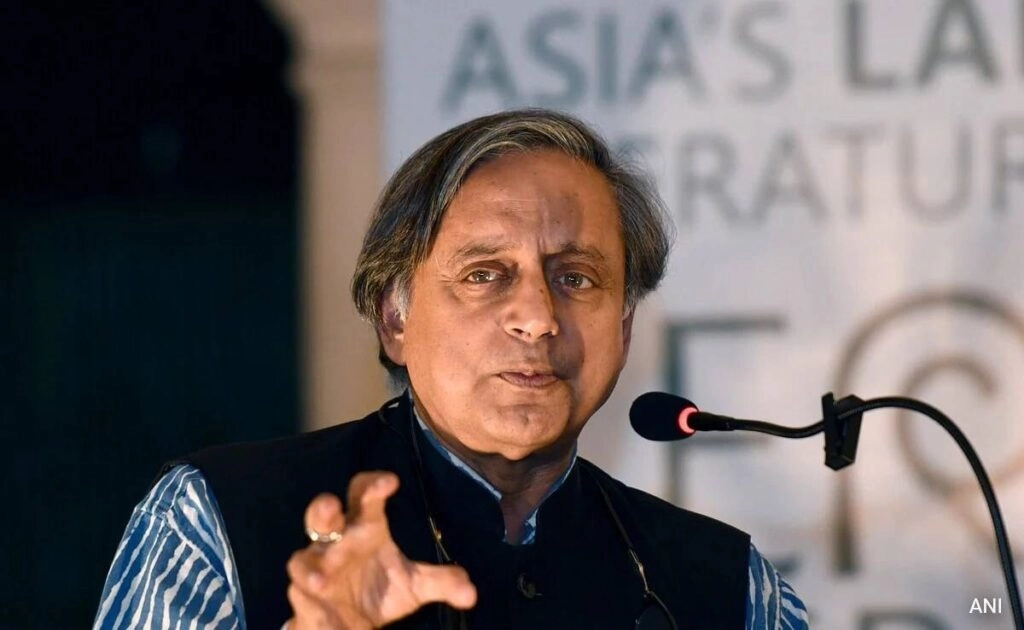
The juxtaposition of hatred and joy during the Christmas season raises profound questions about the nature of human emotions and societal values. This dichotomy was poignantly highlighted by Indian politician Shashi Tharoor when he drew parallels between contemporary political dynamics and the ancient Indian epic, the Mahabharata, specifically referencing the character of Dhritarashtra. In the epic, Dhritarashtra, the blind king of Hastinapura, symbolizes ignorance and the inability to see the truth, which ultimately leads to his downfall and the devastation of his kingdom as a result of the Kurukshetra war.
Tharoor’s reminder to the Bharatiya Janata Party (BJP) serves as a cautionary tale about the dangers of political blindness and the consequences of unchecked ambition and hatred. Much like Dhritarashtra, leaders who refuse to acknowledge the realities around them can foster an environment where division and animosity thrive, overshadowing the values of unity and compassion that are especially pertinent during festive times like Christmas. The festival, which celebrates love, peace, and goodwill, contrasts sharply with the divisive rhetoric and actions that can permeate political discourse, particularly in a diverse nation like India.
By invoking the Mahabharata, Tharoor not only critiques the current political landscape but also urges a reflection on the moral responsibilities of leaders. He emphasizes that true leadership requires the ability to empathize, to see beyond one’s immediate interests, and to strive for the common good. The spirit of Christmas, which encourages kindness and togetherness, serves as a poignant reminder for political figures to transcend their differences and work towards a more inclusive society. In a world increasingly marked by polarization, Tharoor’s message resonates as a call to action for leaders to embrace values that nurture harmony rather than discord.