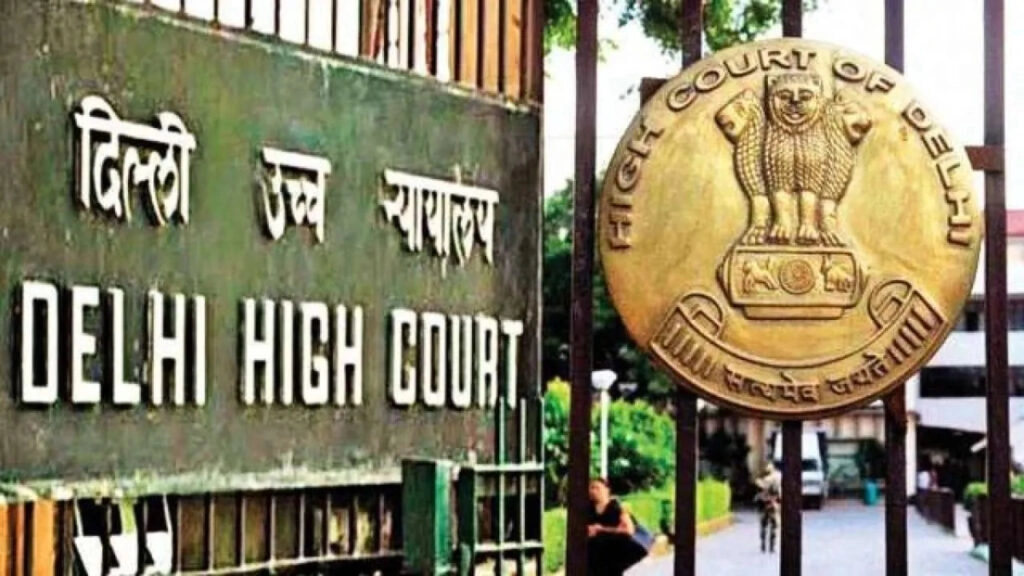
The recent ruling by the High Court to lift the government’s ban on the Air Quality Index (AQI) in Delhi has sparked significant debate. The ban was initially put in place as authorities sought to manage the public’s response to the alarming levels of air pollution that have plagued the city for years. However, the High Court’s decision underscores the importance of transparency and the public’s right to be informed about environmental conditions that directly affect their health and well-being. The AQI serves as a critical tool for citizens, allowing them to understand the air quality in real-time and take necessary precautions to safeguard their health.
The air quality in Delhi has consistently ranked among the worst globally, leading to a myriad of health issues for its residents. With pollution levels soaring, the public’s awareness of air quality is essential for encouraging behavioral changes, such as reducing outdoor activities on days with high pollution levels. The High Court’s ruling emphasizes that rather than shielding citizens from alarming statistics, the government should empower them with information to make informed decisions regarding their health. Critics of the ban argued that keeping the AQI hidden only contributed to a sense of helplessness among the populace, as they could not adequately respond to the dangers posed by poor air quality.
Furthermore, the decision reflects a growing acknowledgment of the need for accountability in environmental governance. As cities like Delhi grapple with the consequences of urbanization and industrialization, there is an urgent need for comprehensive policies that address pollution at its source. The High Court’s ruling could serve as a catalyst for greater public engagement and pressure on authorities to take more decisive actions against pollution. By reinstating access to the AQI, the court has not only prioritized public health but also encouraged a more transparent dialogue between the government and its citizens regarding environmental issues.
In conclusion, the High Court’s removal of the ban on the AQI in Delhi represents a significant step toward ensuring that residents are informed and equipped to deal with the ongoing air quality crisis. It highlights the necessity for open communication about environmental hazards and reinforces the idea that people have the right to know about the air they breathe. As citizens become more aware of the implications of air pollution, it may lead to increased advocacy for better environmental policies and practices that prioritize public health and safety.