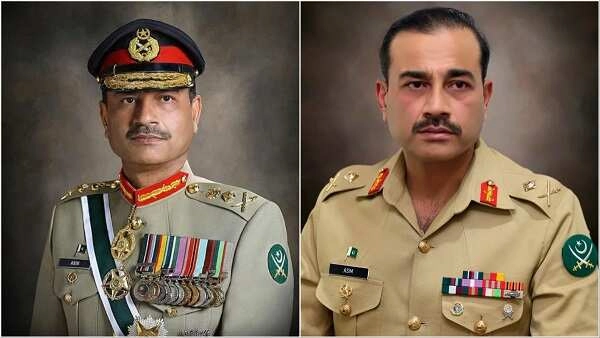
The political landscape is witnessing a significant shift as Munir’s regime adopts a new approach, which many are interpreting as a form of dictatorship. The phrase “चाहे राजनीतिक हो या कुछ और… बर्दाश्त नहीं!” underscores a growing intolerance toward various forms of governance and leadership styles that do not align with democratic values. This sentiment reflects a broader frustration among the populace, suggesting that citizens are increasingly unwilling to accept authoritarian measures under any pretext, whether political or otherwise.
As the Chief of Defense Forces (CDF), Munir’s policies are becoming a focal point of concern, especially as they seem to lay the groundwork for systematic oppression. The introduction of new policies aimed at torturing political leaders raises alarms about the potential for abuse of power and the erosion of civil liberties. Critics argue that such measures are designed not only to suppress dissent but also to instill fear among opposition figures, thereby consolidating Munir’s grip on power.
The implications of these actions are profound, as they threaten the very fabric of democratic governance. The populace’s reaction to these developments will be pivotal in shaping the future political discourse. If citizens continue to react against perceived tyranny, it may lead to increased unrest and a push for accountability. The international community is also likely to take notice, as human rights violations and authoritarian practices often attract scrutiny and condemnation from global entities. The stakes are high, and the world is watching to see how this situation unfolds, particularly in terms of its impact on regional stability and democratic integrity.