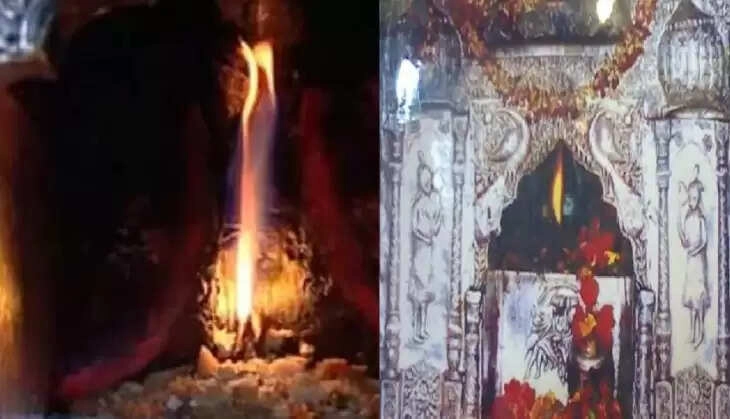
The miraculous temple of the mother, which has been a site of fascination for centuries, is renowned for its nine flames that have been burning continuously without oil or wicks. This extraordinary phenomenon has attracted countless devotees and curious visitors, eager to witness the mystery that surrounds this sacred place. The flames, known as “jwalas,” are believed to be a divine manifestation, symbolizing the presence of the goddess and her protective power over her devotees.
Despite extensive excavations conducted over several kilometers in the surrounding area, the source of these flames remains an enigma to this day. Researchers and scholars have attempted to uncover the scientific basis for this miracle, yet the answers elude them, adding to the allure of the temple. Many theories have been proposed, ranging from geological anomalies to spiritual interpretations, but none have provided a definitive explanation for the jwalas’ persistent burn.
The temple not only serves as a spiritual hub but also as a cultural landmark, representing the deep-rooted beliefs and traditions of the community. Pilgrims from various regions arrive at the temple, seeking blessings and experiencing the profound atmosphere filled with devotion and reverence. The flames are often viewed as a symbol of hope and resilience, inspiring those who come to pay their respects to the goddess.
As the years go by, the temple continues to be a focal point of faith, drawing in people who are intrigued by the mystery of the nine flames. The combination of spiritual significance and the unresolved mystery surrounding the jwalas makes this temple a unique destination, where the realms of faith and science intersect. The temple stands as a testament to the enduring human quest for understanding and the search for the divine in the everyday world.