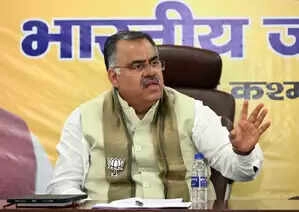
Tarun Chugh has made a strong statement accusing Rahul Gandhi of running an anti-India campaign aimed at garnering applause from foreign entities. According to Chugh, Gandhi’s actions are not only detrimental to the country’s interests but also serve to undermine India’s global standing. He argues that such behavior is motivated by a desire for recognition and support from foreign powers, which Chugh believes is inappropriate and harmful to national pride.
Chugh’s comments reflect a broader concern among some political circles about the implications of Gandhi’s statements and activities on the international stage. By aligning himself with foreign interests, Chugh argues, Gandhi is neglecting the responsibilities of a political leader to prioritize national unity and sovereignty. This perspective suggests that political leaders should focus on domestic issues rather than seeking validation from abroad, especially when it comes to matters that could portray India in a negative light.
Moreover, the issue raises questions about the role of political discourse in a democratic society. While criticism of government policies and actions is a fundamental aspect of democracy, the line between constructive criticism and actions perceived as undermining national integrity can often be blurred. Chugh’s remarks serve as a reminder of the delicate balance that leaders must maintain between advocating for change and ensuring that their rhetoric does not alienate their own country or its citizens.
In conclusion, the accusations made by Tarun Chugh against Rahul Gandhi highlight the complexities of political expression in India today. The debate over what constitutes patriotism versus criticism is ongoing, and it underscores the importance of responsible dialogue in the political arena. As politicians navigate these waters, the need for a focus on national interests remains paramount, especially in an increasingly interconnected world.