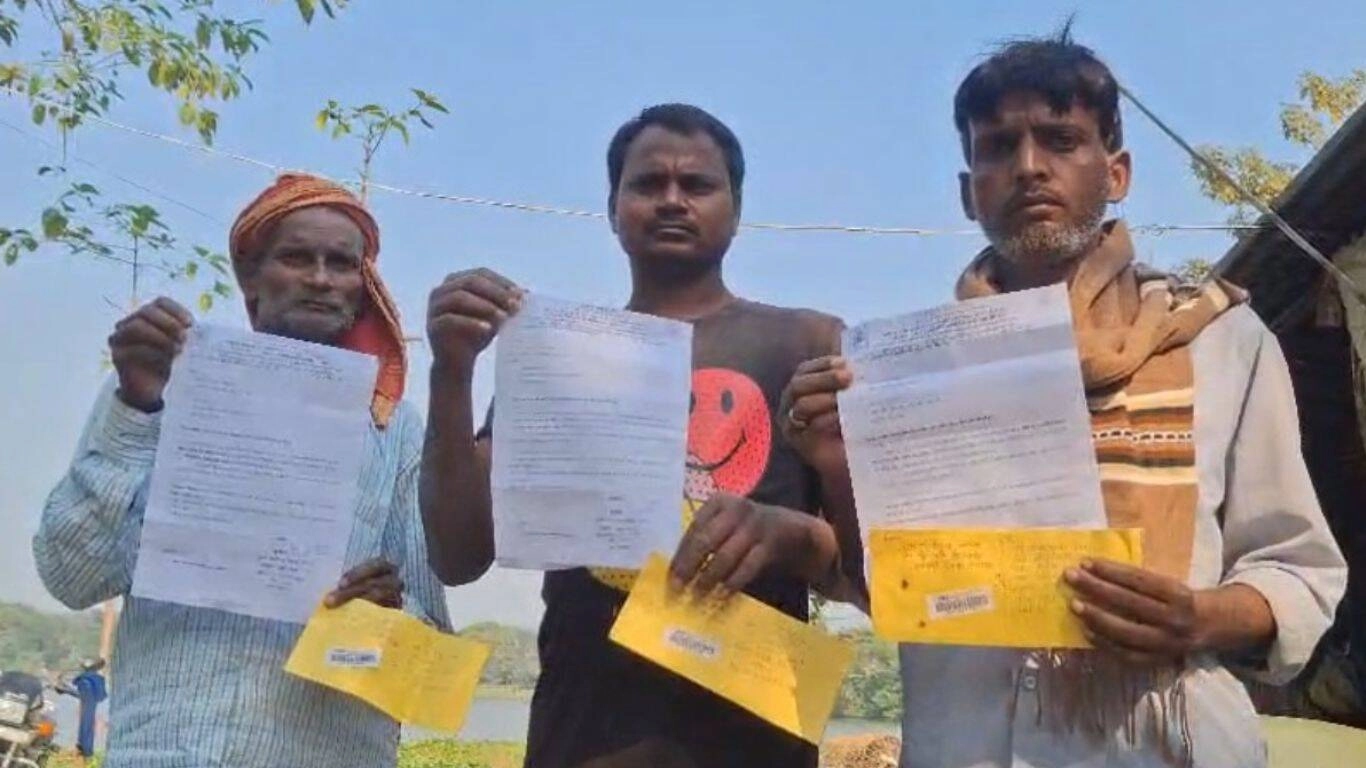
In Bihar, a significant issue has emerged regarding the Livelihood Scheme funds that have been mistakenly credited to incorrect accounts. This situation has raised concerns about the management and distribution of financial aid intended for the welfare of those in need. The Livelihood Scheme, designed to provide support and empower individuals, especially women, has faced challenges in ensuring that the funds reach the intended beneficiaries. The government’s response to this problem has been to offer a straightforward solution for men, which has sparked discussions about gender equity and the effectiveness of the measures in place.
The misallocation of funds highlights the ongoing struggle within governmental programs to maintain accuracy and accountability. Many individuals who rely on these schemes for their sustenance and economic upliftment find themselves caught in bureaucratic inefficiencies. While the government has proposed solutions to rectify the errors, the focus on providing easier access for men raises questions about whether the same level of attention and resources will be allocated to addressing the needs of women, who are often the primary targets of such schemes.
This scenario underscores the need for a comprehensive evaluation of how funds are managed and distributed within the Livelihood Scheme. Ensuring that the aid reaches those it is intended for is crucial, not only for the success of the program but also for fostering trust in governmental initiatives. As the state grapples with these challenges, it becomes imperative to adopt a more inclusive approach that prioritizes the needs of all beneficiaries, regardless of gender. The effectiveness of the Livelihood Scheme will ultimately depend on the government’s ability to rectify these issues and ensure fair and equitable access to resources for everyone in need.