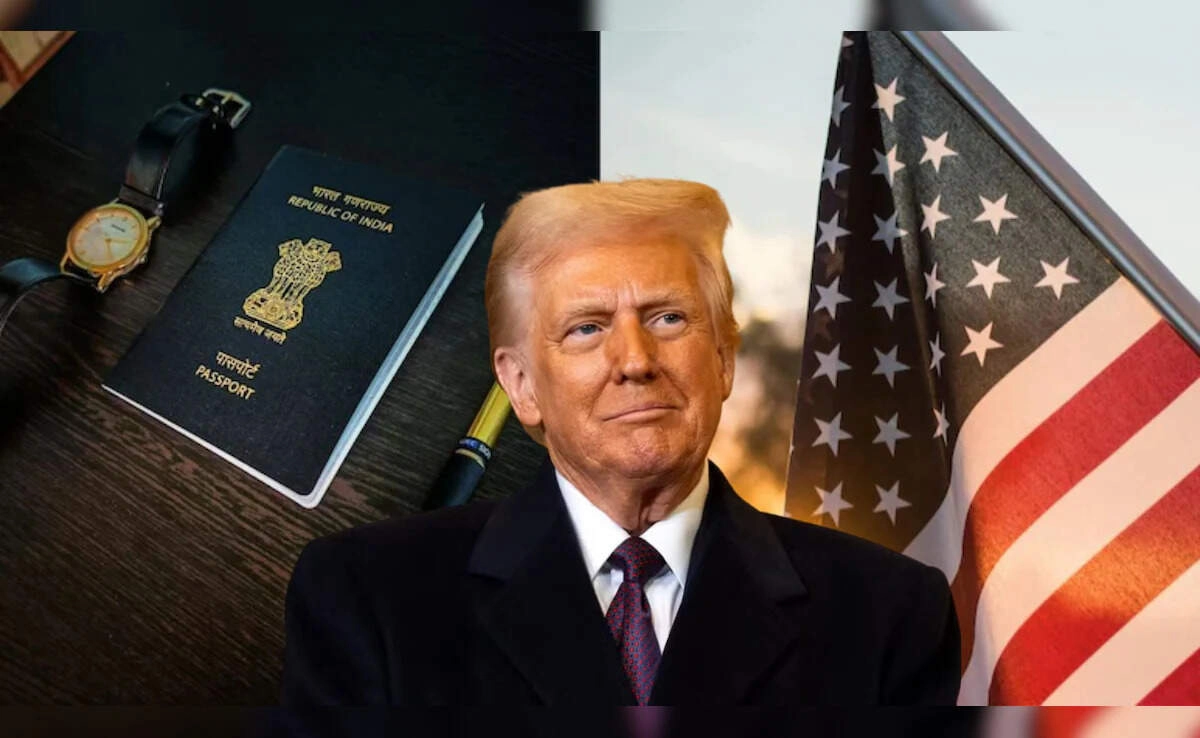
The impact of President Trump’s decisions regarding the H1-B visa has begun to manifest among Indian professionals and the tech industry. The H1-B visa is a non-immigrant visa that allows U.S. companies to employ foreign workers in specialty occupations. This visa has been a pathway for numerous Indian nationals seeking employment in the United States, especially in the technology sector. However, recent changes in policy and regulations have raised concerns among these professionals, as they may affect their job prospects and the ability of American companies to hire skilled workers from India.
Tech giants like Google and Apple have voiced warnings about the potential repercussions of stricter H1-B visa regulations. They argue that these measures could hinder innovation and growth within the industry. A significant portion of their workforce comprises employees on H1-B visas, and any limitations on this program could lead to a talent shortage, ultimately affecting their competitiveness in the global market. These companies emphasize the importance of maintaining a diverse workforce that includes international talent, which has historically been a driving force behind their success.
Furthermore, the uncertainty surrounding visa policies has led to anxiety among Indian workers who are considering job opportunities in the U.S. Many are re-evaluating their plans and exploring options in other countries that may offer more favorable immigration policies. This shift could have long-term implications not only for the Indian tech workforce but also for the overall dynamics of the global talent market. As the situation evolves, both employees and companies will need to adapt to the changing landscape, navigating the challenges posed by new immigration policies while striving to maintain their competitive edge.