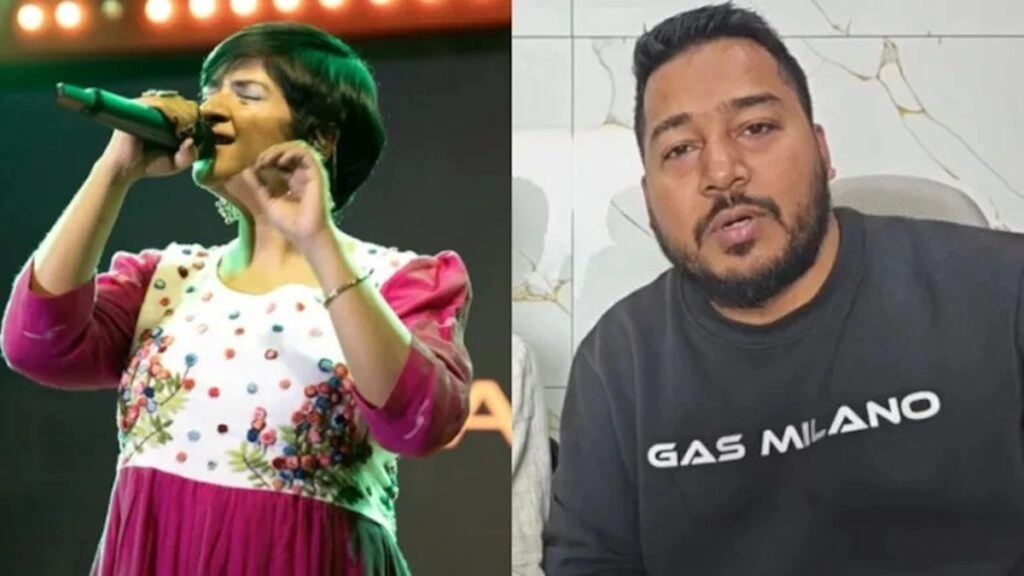
The incident involving Mehboob Malik, who reportedly misbehaved with a Hindu singer, has sparked considerable debate and controversy. During an event, Malik allegedly interrupted the performance by demanding that the singer stop performing a devotional song, specifically referencing “Jaago Maa,” which is rooted in Hindu tradition. His insistence on shifting to something deemed more “secular” highlights the ongoing tensions surrounding cultural and religious expressions in a diverse society.
This incident raises important questions about artistic freedom and the respect for individual beliefs within the realm of performance art. The singer, who was presumably sharing a piece of their cultural heritage through music, faced unwarranted criticism from Malik, suggesting a disregard for the rich tapestry of traditions that coexist in the community. Such behavior can be seen as an infringement on the artist’s right to express their faith and identity, fostering a climate of intolerance that undermines the spirit of secularism.
Furthermore, this episode reflects broader societal challenges where certain narratives seek to dominate public discourse, often at the expense of minority voices. The demand for “secular” content can inadvertently stifle cultural expression, leading to a homogenization of artistic forms. In a nation characterized by its diverse cultural landscape, it is essential to promote an environment where all forms of expression are valued and respected, regardless of their religious or cultural origins.
As discussions around this incident continue, it becomes crucial for communities to engage in dialogues that promote understanding and tolerance. Recognizing the importance of diverse cultural expressions can help bridge gaps between different groups, fostering a more inclusive society. Ultimately, incidents like these serve as reminders of the ongoing need to champion artistic freedom while respecting the multiplicity of beliefs and traditions that enrich our shared human experience.