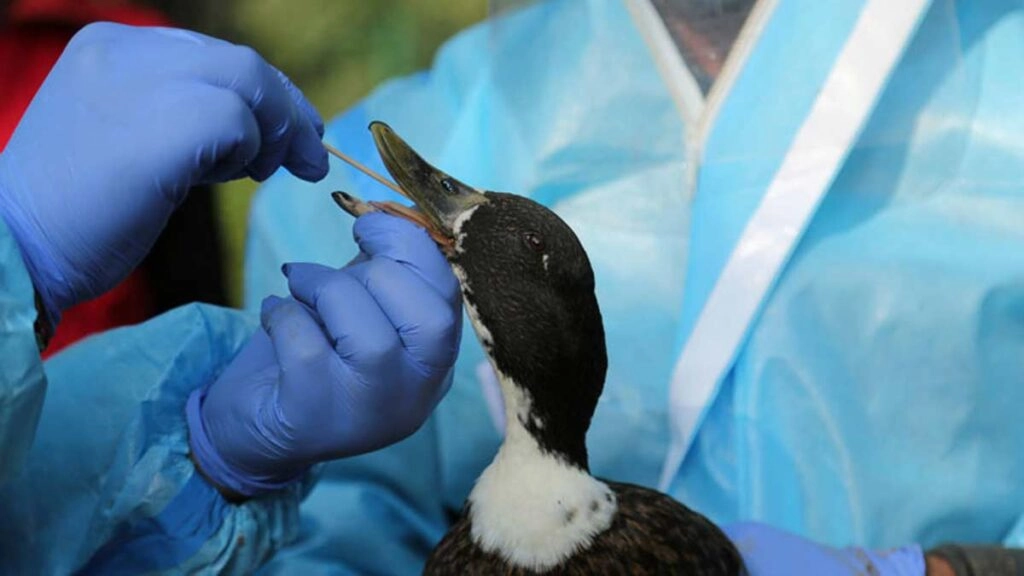
Indian researchers have conducted simulations to assess the potential risks posed by bird flu, particularly in the context of a possible future global pandemic. Bird flu, caused by avian influenza viruses, has long been a concern for public health experts due to its ability to mutate and infect humans. The researchers aimed to understand how these viruses could evolve and spread, leading to significant health crises.
Through their simulations, the team examined various factors, including the transmission dynamics of avian influenza and its interactions with human populations. They focused on the virus’s capacity for mutation and reassortment, which can result in strains that are more transmissible among humans. This research is crucial, as it highlights the need for continuous monitoring of bird flu outbreaks and the importance of early detection systems to prevent possible spillover events from birds to humans.
Moreover, the study emphasizes the interconnectedness of human, animal, and environmental health, reinforcing the concept of One Health. This approach advocates for collaborative efforts across disciplines to tackle health threats at their roots. As bird flu continues to circulate among avian populations, understanding its potential to cause a pandemic is critical. The findings from these simulations could provide valuable insights for policymakers and health organizations in crafting strategies to mitigate the risks associated with avian influenza, ultimately safeguarding public health on a global scale.