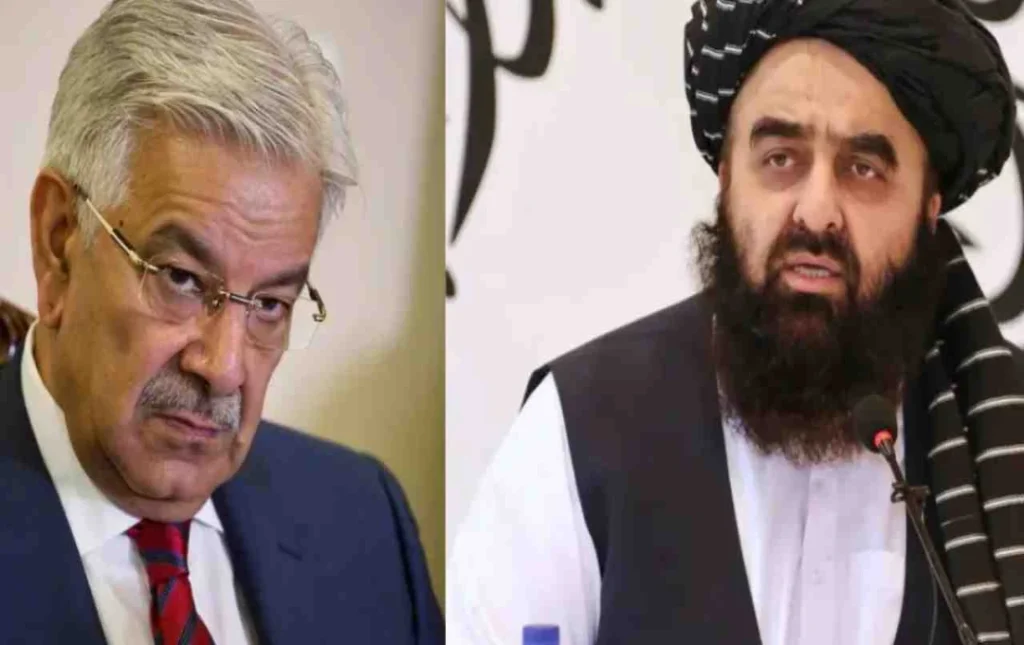
The ongoing tension between Pakistan and Afghanistan has escalated due to the Taliban’s frustrations surrounding the Tehrik-i-Taliban Pakistan (TTP), a militant group that has been a source of instability in the region. The TTP, which has carried out numerous attacks within Pakistan, is seen by the Taliban as an internal issue that complicates their relationship with the Pakistani government. The Taliban, now in power in Afghanistan, is facing increasing pressure from Pakistan to take action against the TTP, which Islamabad views as a significant threat to its national security.
The situation is further complicated by the Taliban’s internal dynamics and their commitment to their ideological principles. While the Afghan Taliban may want to maintain good relations with Pakistan, they are also dealing with factions within their ranks that sympathize with the TTP’s cause. This creates a precarious balance for the Taliban as they attempt to navigate their foreign relations while dealing with domestic pressures. The Afghan Taliban’s reluctance to fully crack down on the TTP has led to heightened tensions, as Pakistan continues to express its dissatisfaction with the lack of action.
Moreover, the geopolitical implications of this situation are profound. Pakistan’s security concerns regarding the TTP are intertwined with broader regional stability issues, including the involvement of other countries that have stakes in Afghanistan. As Pakistan seeks to bolster its security measures and counter the influence of the TTP, it may resort to strategic maneuvers that could further strain relations with the Taliban. This ongoing friction highlights the complexities of governance and security in a region plagued by decades of conflict and instability. The future of Pakistan-Afghanistan relations will depend heavily on how both sides manage this delicate situation while addressing their respective national interests.