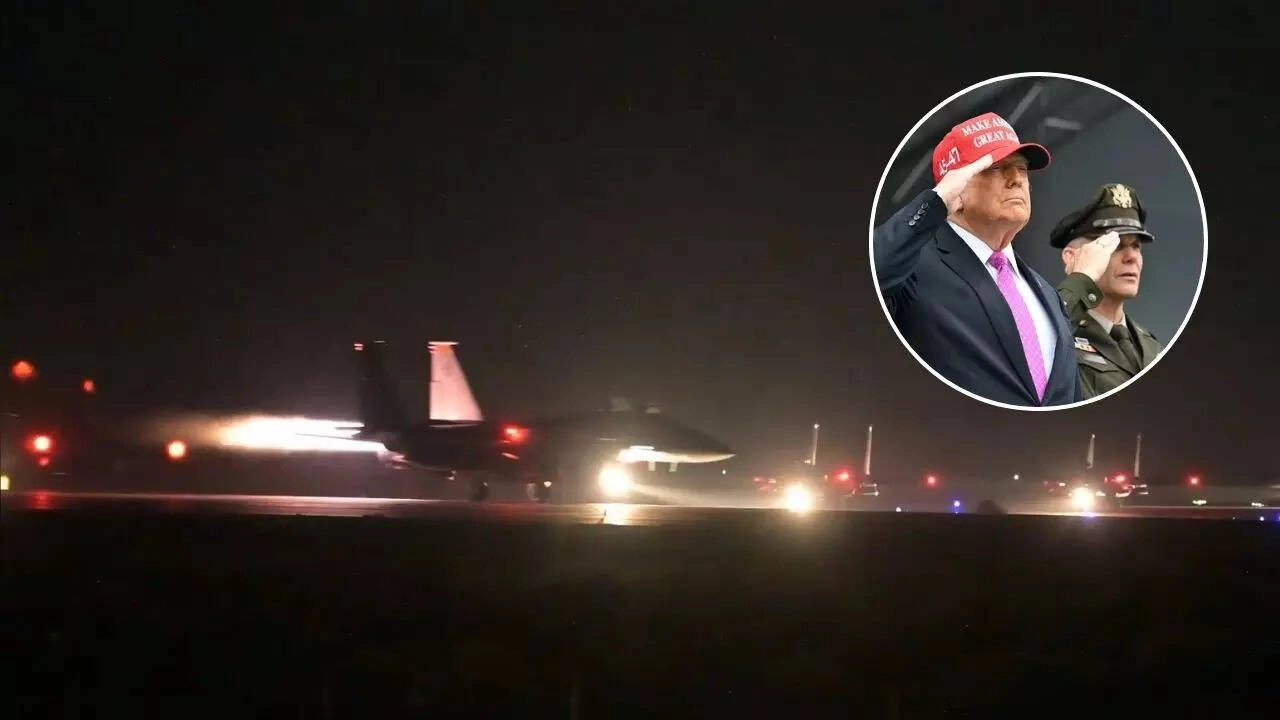
The United States has launched airstrikes targeting ISIS positions following the tragic deaths of three American citizens during Operation Hawkeye. This decisive action reflects the U.S. government’s commitment to countering terrorism and ensuring the safety of its citizens abroad. The operation, which was initially aimed at dismantling ISIS infrastructure and capabilities, took a devastating turn when three Americans lost their lives in the conflict. This incident has heightened tensions and prompted a reassessment of the U.S. military’s engagement in the region.
The airstrikes are part of a broader strategy to eliminate threats posed by extremist groups such as ISIS, which have continued to be a source of instability in various parts of the world. The U.S. military has emphasized that these strikes are targeted and precise, aimed at minimizing civilian casualties while effectively degrading the operational capabilities of ISIS. This response underscores the seriousness with which the U.S. views the protection of its citizens and its determination to hold accountable those responsible for acts of violence against Americans.
In the wake of the airstrikes, there is likely to be increased scrutiny and debate regarding U.S. foreign policy and military interventions. Critics may argue about the effectiveness of such operations in preventing future attacks and the potential for escalation in conflict zones. However, supporters contend that these actions are necessary to send a clear message to terrorist organizations that the U.S. will not tolerate attacks on its citizens or interests. The situation remains fluid, and the repercussions of these airstrikes will undoubtedly shape the future landscape of U.S. involvement in the region.