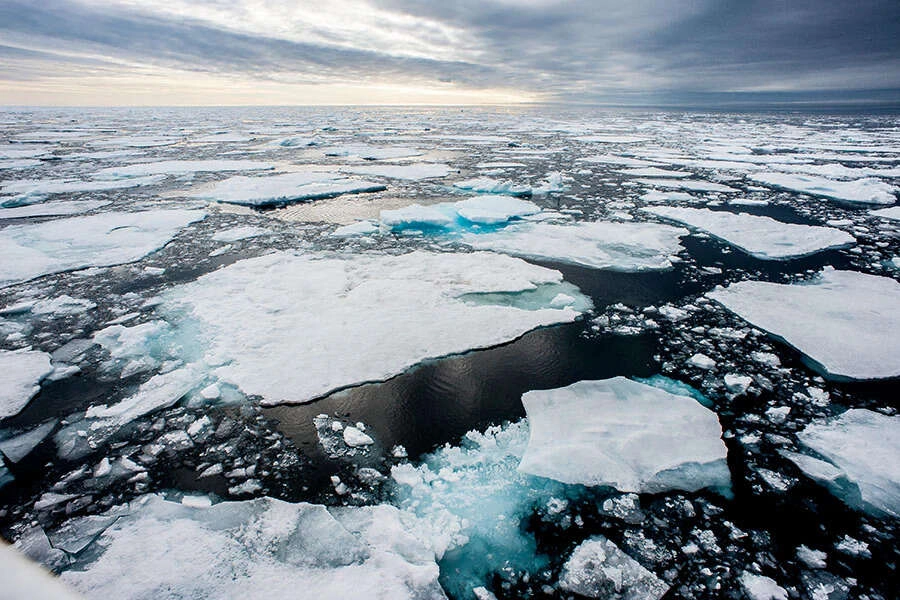
The alarming effects of climate change are becoming increasingly evident, particularly in the way glaciers are melting at an unprecedented rate. This phenomenon can be described as a “final farewell” to these majestic ice formations that have stood for millennia. The rapid thawing of glaciers not only contributes to rising sea levels but also disrupts ecosystems and threatens freshwater supplies that millions of people rely on. In many coastal cities around the world, the rising waters pose a significant risk to infrastructure, livelihoods, and even entire communities.
As temperatures continue to rise due to human activities, the stability of glaciers is compromised. The process of glacial melt is accelerating, and scientists warn that many glaciers could disappear entirely by the end of this century if current trends continue. This situation is particularly dire for low-lying coastal areas, where the encroaching sea threatens to inundate homes, businesses, and critical infrastructure. Communities are beginning to realize the severity of the situation, as they face the daunting challenge of adaptation and resilience in the face of an uncertain future.
The implications of glacier melt extend beyond immediate environmental concerns; they also encompass socio-economic factors. Regions heavily dependent on glacial meltwater for agriculture and drinking water are at risk of facing severe water shortages. The loss of glaciers could lead to food insecurity and increased competition for resources, potentially triggering conflicts in some areas. Moreover, the tourism industry, which often relies on stunning glacial landscapes, may also suffer as these natural wonders disappear.
In conclusion, the “final rites” being performed for glaciers serve as a stark reminder of the broader climate crisis we face. It is essential to take urgent action to mitigate climate change and protect vulnerable communities. By raising awareness and fostering global cooperation, we can work towards sustainable solutions that address both the causes and consequences of climate change, ensuring a safer and more resilient future for generations to come.