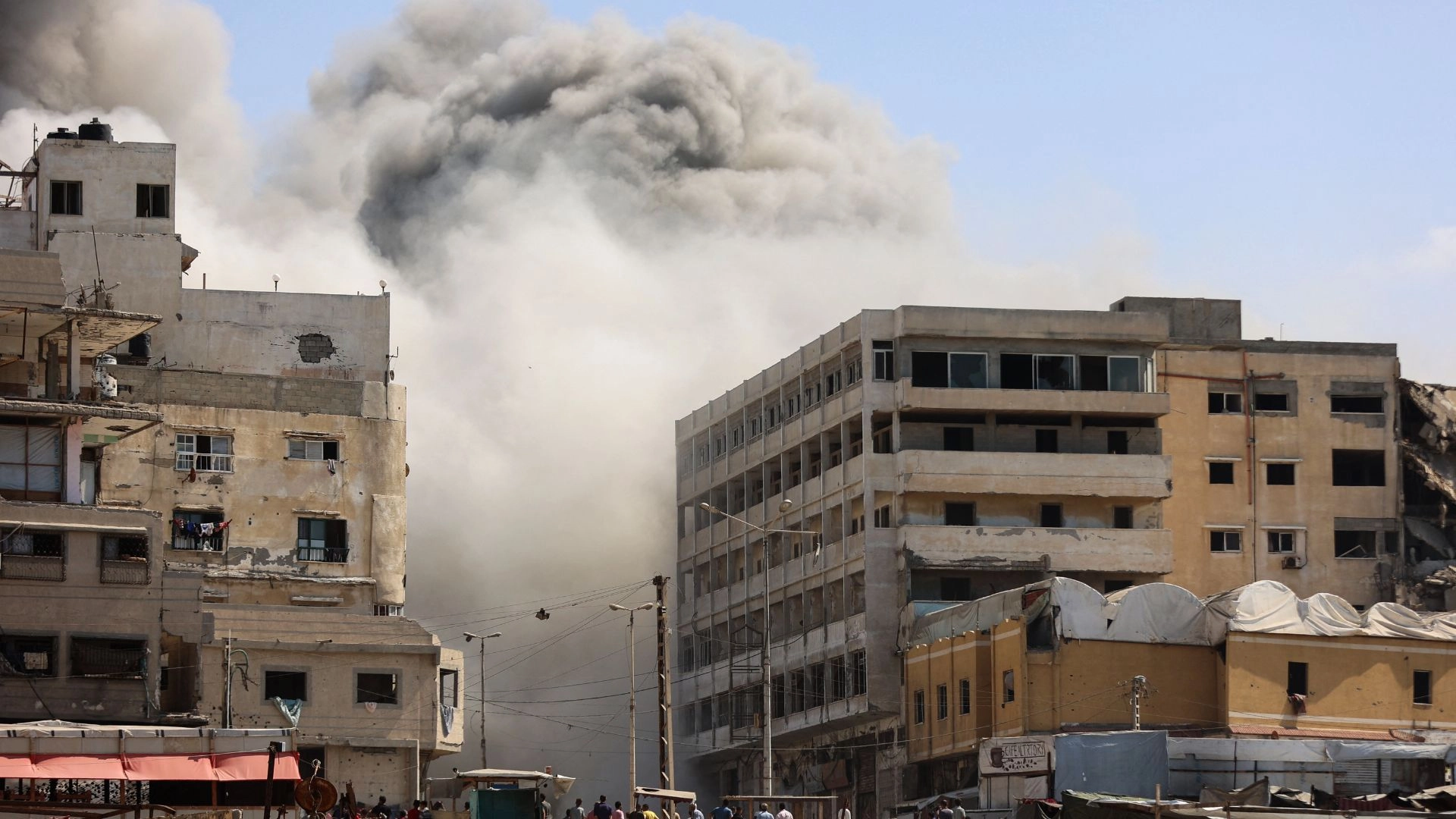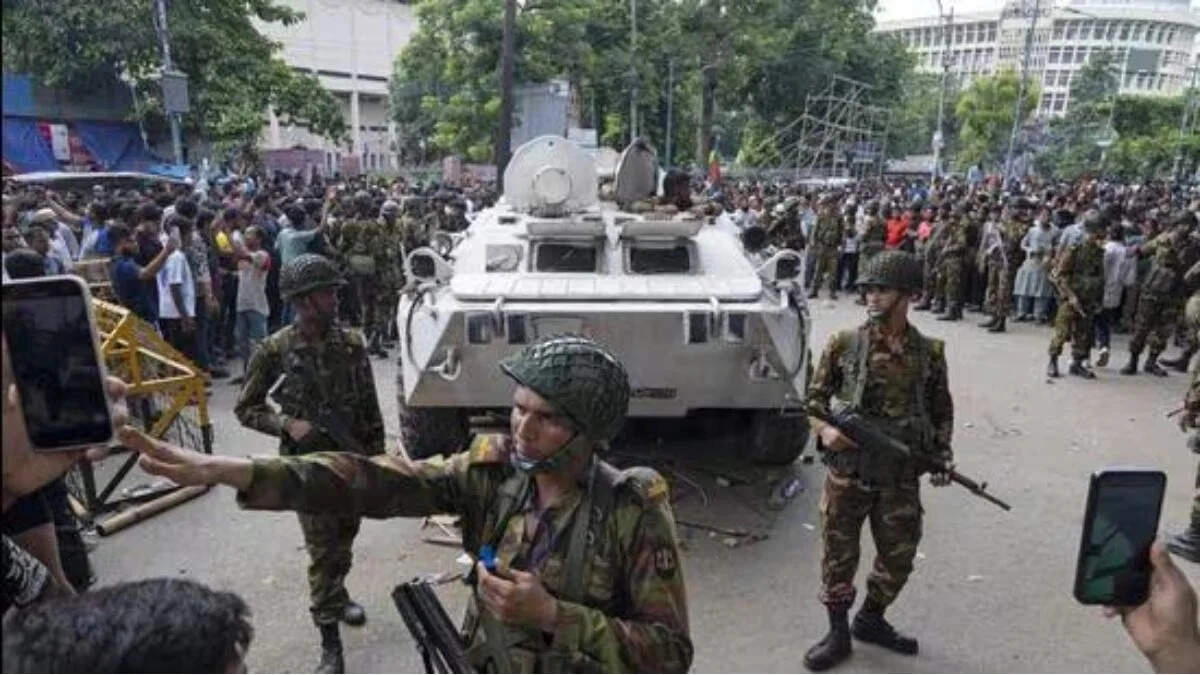
In recent developments, the situation in Bangladesh has escalated, leading to widespread unrest and violence, which has raised concerns in neighboring India. Reports indicate that the chaos in Bangladesh may not just be a domestic issue but could also be part of a larger conspiracy orchestrated by the Inter-Services Intelligence (ISI) of Pakistan. The ISI is believed to be targeting the northeastern states of India, aiming to destabilize the region by inciting violence and unrest under the guise of the ongoing turmoil in Bangladesh.
The northeastern part of India has always been sensitive due to its diverse ethnic composition and historical tensions. With the potential influence of external forces like the ISI, there is a palpable sense of danger that the region could experience heightened instability. The agency’s tactics often involve exploiting existing grievances among various groups to create discord and chaos. Given the proximity of the northeastern states to Bangladesh, the repercussions of the violence there could spill over into India, further complicating the already intricate socio-political landscape.
As the situation unfolds, it is crucial for Indian authorities to remain vigilant and proactive in addressing any threats that may arise from this unrest. Ensuring stability in the northeastern states is paramount, not only for the security of the region but also for maintaining peace in the broader context of Indo-Bangladeshi relations. The potential for increased violence in the northeast could lead to humanitarian crises and exacerbate tensions between communities, making it imperative for both governments to work collaboratively to mitigate the risks posed by external influences like the ISI.