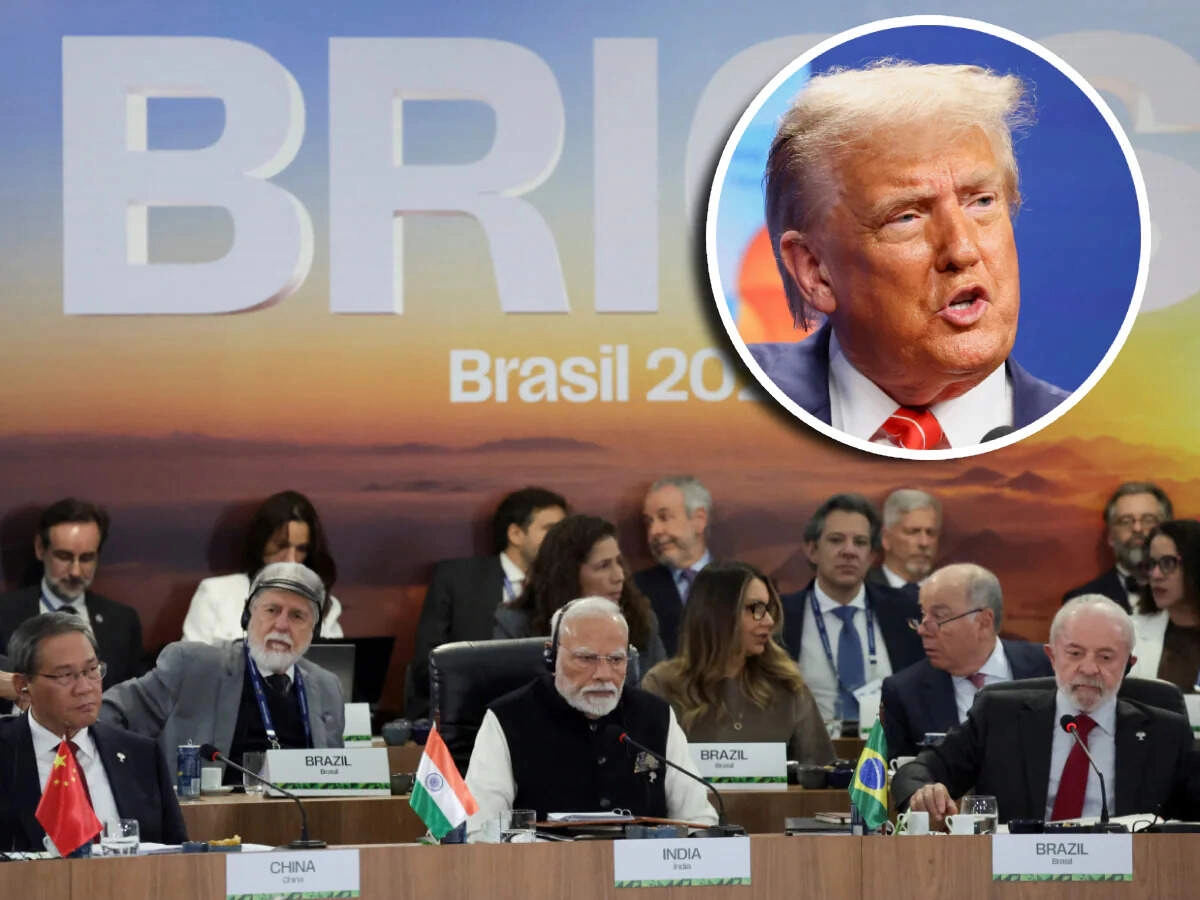
Amidst economic threats from the United States, India has taken the leadership of BRICS, a coalition of emerging economies that includes Brazil, Russia, India, China, and South Africa. This development is significant as it marks a strategic shift in global economic dynamics, especially at a time when the U.S. has been exerting pressure on various countries through sanctions and trade policies. India’s leadership in BRICS is seen as a move to strengthen ties among member nations and create a counterbalance to Western dominance in global affairs.
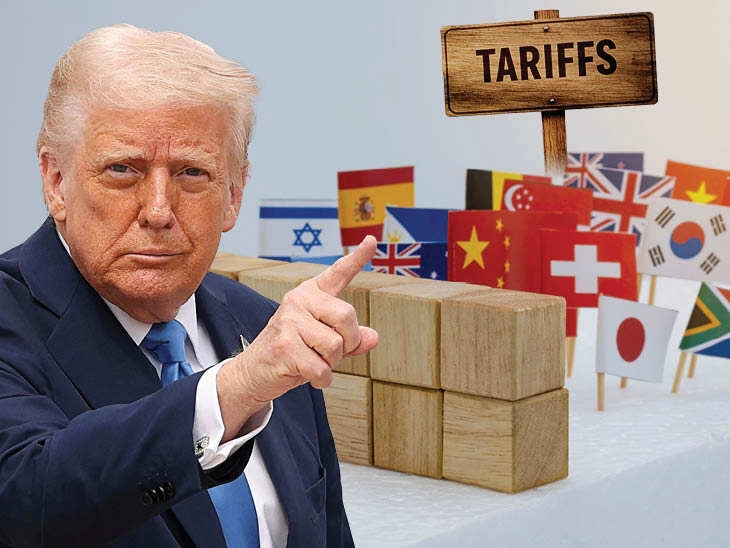
The announcement of India’s new role in BRICS is likely to evoke strong reactions, particularly from former President Donald Trump and his supporters. Trump has been known for his critical stance on international alliances and his focus on an “America First” policy. As India steps up to spearhead this influential group, it could lead to increased tensions between the U.S. and India, especially if BRICS members choose to collaborate more closely on economic issues that challenge American interests.
Moreover, India’s leadership could pave the way for enhanced cooperation among BRICS nations in various sectors, including trade, technology, and sustainable development. This collaboration could provide a platform for these countries to advocate for a multipolar world, where power is distributed among various global players rather than concentrated in a single nation. As BRICS continues to evolve under India’s guidance, it may also attract the interest of other emerging economies looking for alternatives to Western-led institutions and frameworks.
In conclusion, India’s ascendance to the BRICS leadership comes at a critical juncture in global politics and economics. The potential ramifications of this shift are vast, not only for the member nations but also for the broader international community. As the world watches how India navigates its role within BRICS, the response from the U.S. and other Western nations will be pivotal in shaping future geopolitical landscapes.