
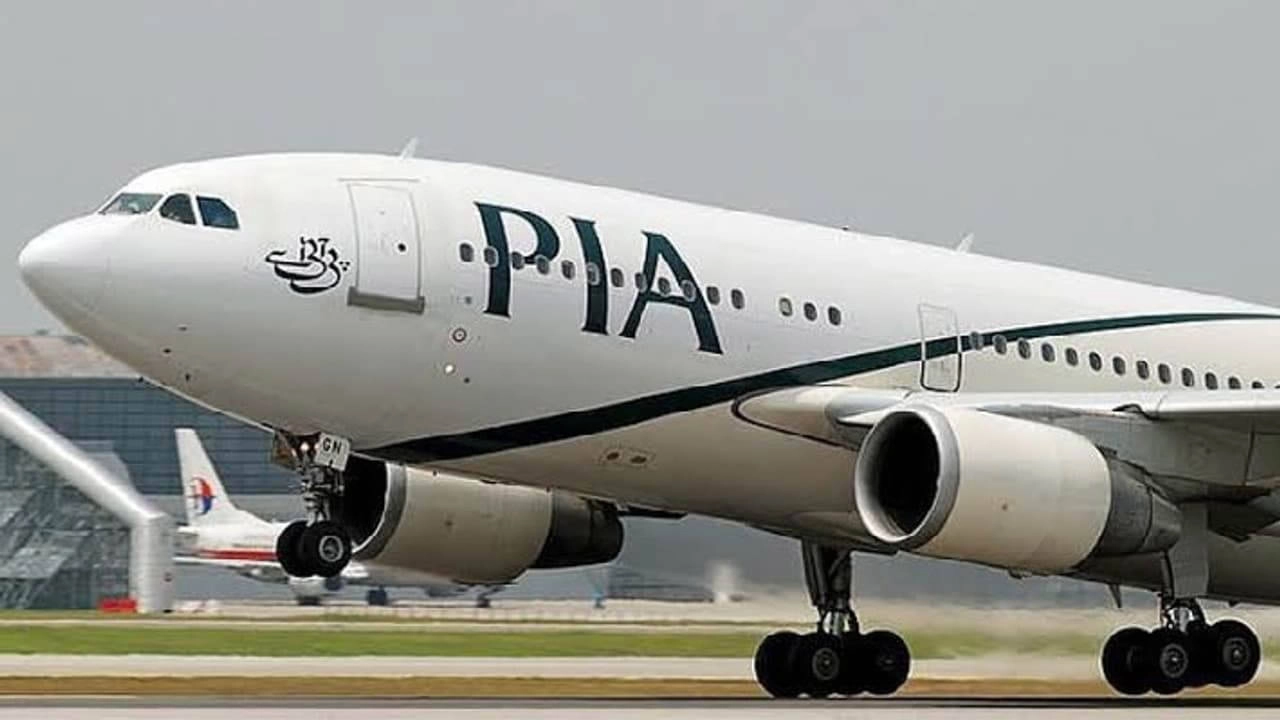
Pakistan is currently ensnared in a severe debt crisis, with conditions deteriorating to the point where it has resorted to selling off national assets to repay its obligations. The country’s financial situation has become increasingly precarious, marked by soaring inflation, dwindling foreign reserves, and a spiraling fiscal deficit. This crisis has compelled the government to take drastic measures, including the contentious decision to sell its flagship international airline, which has long been a symbol of national pride.
The sale of the airline underscores the gravity of Pakistan’s economic predicament. With debt levels reaching unsustainable heights, the government finds itself in a position where it must liquidate key assets to meet the demands of creditors and maintain essential services. The airline, which has faced operational challenges and financial losses over the years, is now seen as a necessary sacrifice in the struggle to stabilize the economy. This move has sparked widespread concern among citizens about the future of public enterprises and the implications for national sovereignty.
Moreover, the situation reflects broader issues within Pakistan’s economic management, including insufficient tax revenue, reliance on external borrowing, and inadequate investment in infrastructure. As the country navigates these tumultuous waters, there is an urgent need for structural reforms and a comprehensive strategy to boost economic growth and restore investor confidence. The sale of the airline may provide temporary relief, but it also highlights the need for sustainable solutions to address the underlying economic challenges facing Pakistan. Without significant changes, the nation risks falling deeper into the cycle of debt, jeopardizing its long-term stability and growth prospects.


