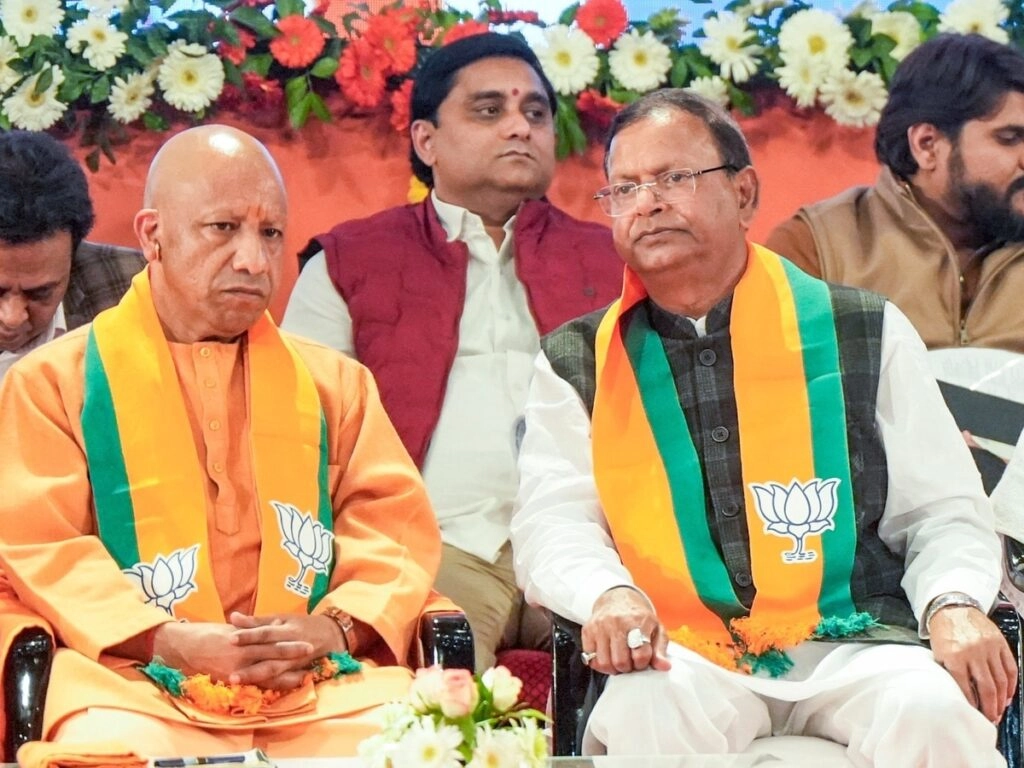
In a significant political development in Uttar Pradesh, there are growing speculations about the possibility of the Yogi Adityanath-led government appointing a third Deputy Chief Minister. This potential move is being viewed as a strategic maneuver amidst the changing dynamics of state politics. The Yogi government, which has already established a strong foothold since its first term began in 2017, is now contemplating this addition to its cabinet as it seeks to consolidate its power further and address various regional and caste-based concerns within the state.
The idea of introducing a third Deputy CM has sparked discussions among political analysts and party supporters alike. This decision could be influenced by the upcoming elections and the necessity to strengthen alliances with various factions within the ruling Bharatiya Janata Party (BJP) and its coalition partners. By appointing another Deputy CM, the government may aim to enhance its representation across different communities and regions, ensuring a broader appeal to the electorate. Such a move could also serve to quell dissent within the party ranks and reinforce unity as the government faces challenges both from within and outside.
Moreover, the potential appointment of a third Deputy Chief Minister could signal a shift in the political landscape of Uttar Pradesh, a state known for its diverse demographic makeup and complex political equations. As the Yogi government navigates the intricacies of governance and electoral strategy, the decision to expand the leadership team might be seen as a proactive approach to maintain stability. In a state where political sentiments can shift rapidly, this move could either bolster the government’s standing or lead to further complications, depending on how it is perceived by the public and party supporters.
In conclusion, as the political climate in Uttar Pradesh continues to evolve, the prospect of a third Deputy Chief Minister under the Yogi Adityanath administration represents a pivotal moment. It reflects the government’s desire to adapt and respond to the varying needs of its constituents while also preparing for the challenges that lie ahead in the political arena. The coming weeks will likely shed more light on whether this speculation materializes and how it could reshape the governance and electoral strategies of the ruling party in one of India’s most crucial states.