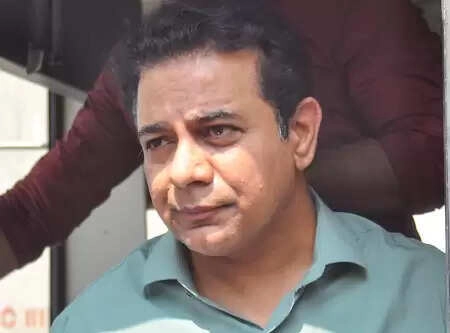
Telangana’s Speaker’s decision has drawn sharp criticism from K.T. Rama Rao (KTR), who has described it as an act of “murdering democracy.” This statement reflects the growing concern among opposition leaders regarding the actions taken by the state assembly’s leadership. KTR, a prominent figure in the Telangana Rashtra Samithi (TRS) party and the son of Chief Minister K. Chandrashekar Rao, has been vocal about the need for fair governance and the upholding of democratic principles.
The Speaker’s decision, which seems to have sparked controversy, has raised questions about the transparency and integrity of the legislative process in Telangana. KTR’s remarks highlight the tensions between the ruling party and the opposition, underscoring a larger issue of political accountability in the state. As a seasoned politician, KTR is well aware of the implications that such decisions can have on public trust and the overall health of democracy in the region.
In his statement, KTR emphasized the importance of maintaining a democratic framework where all voices are heard and respected. He argued that any actions that undermine this framework not only jeopardize the political landscape but also disenfranchise citizens who rely on their elected representatives to advocate for their interests. The debate surrounding the Speaker’s decision is emblematic of the broader political dynamics in Telangana, where power struggles often overshadow governance and development.
As the situation evolves, it remains to be seen how the ruling party will respond to these allegations and whether any measures will be taken to address the concerns raised by KTR and other opposition leaders. The unfolding events could have significant implications for the political climate in Telangana, as citizens and political analysts alike watch closely to gauge the impact on democratic processes in the state.