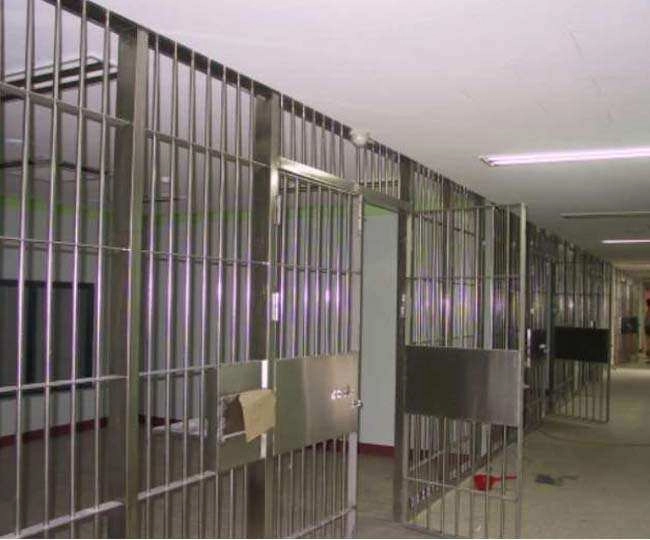
Detention centers and prisons serve distinct purposes within the criminal justice system, and understanding their differences is crucial for comprehending the treatment and conditions faced by inmates. A detention center primarily holds individuals who have been arrested but not yet tried or sentenced. These facilities are often designed to accommodate those awaiting court proceedings, including minors and individuals accused of non-violent offenses. The environment in a detention center tends to be less restrictive than that of a prison, as many detainees may have not yet been convicted and are presumed innocent until proven guilty.
On the other hand, prisons are long-term facilities where individuals serve their sentences after being convicted of a crime. The atmosphere in a prison is generally more controlled and stringent, with strict schedules and regulations governing daily life. Inmates in prisons often face a more challenging existence, as they are subjected to various rules and restrictions that limit their personal freedom. The focus in prisons is not only on confinement but also on rehabilitation, with programs aimed at helping inmates reintegrate into society upon their release.
The day-to-day life of inmates in both detention centers and prisons can vary significantly. In detention centers, detainees may have more access to activities such as education, recreational programs, and family visits. Their stay is typically shorter, which allows for a greater emphasis on maintaining a more humane environment. Conversely, life in a prison can be marked by harsher conditions, including overcrowding, limited access to healthcare, and fewer opportunities for personal development. Inmates often struggle with the psychological toll of prolonged confinement, which can lead to mental health issues and feelings of isolation.
Both facilities must adhere to certain standards of care and maintenance, which can greatly influence the well-being of the inmates. Proper maintenance includes ensuring cleanliness, providing adequate food and medical services, and facilitating access to legal representation. However, the reality is that many detention centers and prisons face challenges related to overcrowding and resource allocation, which can compromise the living conditions for inmates. Understanding these differences and the realities of life within these institutions is essential for advocating for humane treatment and reform within the criminal justice system.