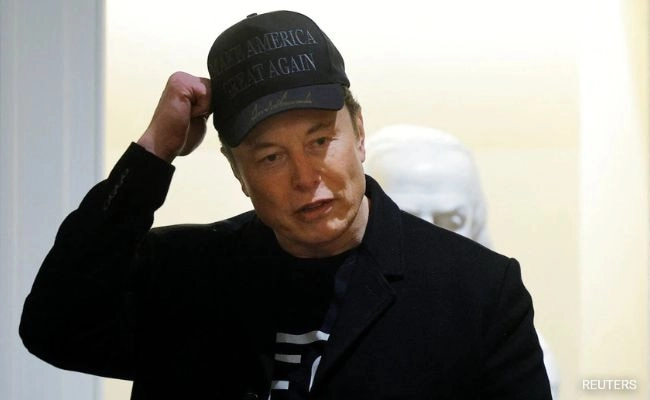
In a surprising twist, the popular video game franchise “Assassin’s Creed” has taken a bold stance against Elon Musk, the tech mogul and CEO of Tesla and SpaceX, by publicly addressing allegations of cheating in online gaming. This unexpected move has sparked significant discussions among fans and the gaming community, highlighting the often-blurred lines between the digital realm and real-world personas. The franchise, known for its rich storytelling and historical narratives, seems to have ventured into the realm of social commentary, using its platform to call out perceived injustices in the gaming world.
The allegations against Musk have been a hot topic, with many players claiming that he has employed unfair advantages in various online games. Whether through the use of performance-enhancing software or simply leveraging his vast resources to gain an edge, these accusations have raised eyebrows and ignited debates about ethics in gaming. The “Assassin’s Creed” franchise, which often emphasizes themes of morality, justice, and the fight against corruption, appears to be leveraging its narrative roots to engage with this contemporary issue. By roasting Musk, the franchise not only addresses the allegations but also reinforces its commitment to fair play and integrity within the gaming community.
The response from “Assassin’s Creed” has resonated with many gamers who value a level playing field, and it has set the stage for a broader conversation about accountability among high-profile individuals in the gaming world. As the lines between celebrity culture and gaming continue to blur, the franchise’s decision to call out Musk serves as a reminder of the responsibility that comes with influence. In an era where online gaming is more popular than ever, the community is increasingly vocal about the need for fairness and respect, making the actions of high-profile players like Musk all the more scrutinized.
This incident not only highlights the tension between real-life figures and their virtual counterparts but also showcases how gaming can serve as a platform for social discourse. The interplay between “Assassin’s Creed” and Musk reflects a growing trend where gaming narratives intersect with real-world events, creating a dynamic environment where players feel empowered to speak out against perceived injustices. As the gaming community continues to evolve, it will be fascinating to see how franchises like “Assassin’s Creed” navigate these challenges and contribute to a more equitable gaming landscape.