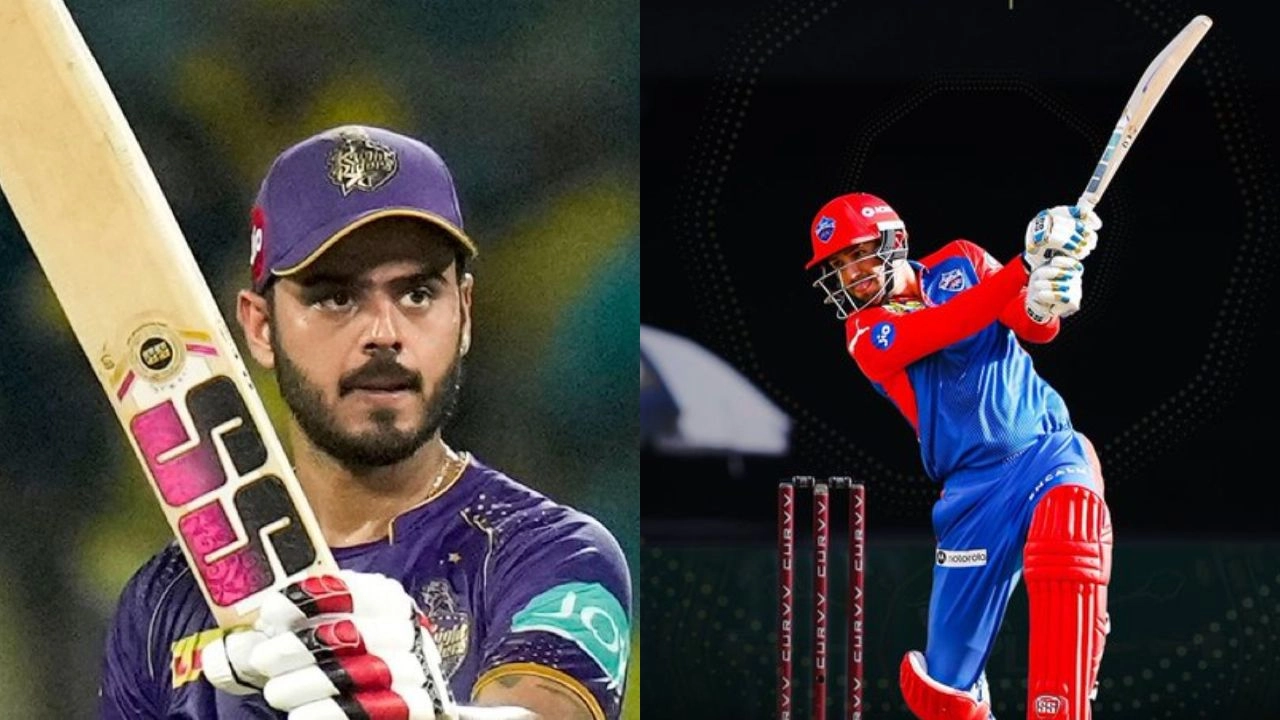
In a surprising turn of events, the Bangladesh Cricket Board (BCB) has once again created friction with the Board of Control for Cricket in India (BCCI) by restricting the availability of its players for the Indian Premier League (IPL) 2026. This decision has raised eyebrows in the cricketing community, especially given the historical relationship and mutual agreements between the two boards regarding player participation in various leagues. The BCB’s move appears to be a strategic maneuver, potentially driven by their desire to prioritize national commitments over club competitions.
The implications of this decision could be significant for both the IPL and Bangladeshi cricketers. Many players from Bangladesh have found lucrative opportunities in the IPL, which has not only provided them with financial benefits but has also allowed them to gain invaluable experience on an international stage. By limiting their participation, the BCB may be aiming to ensure that their players remain focused on national duties, particularly with upcoming international fixtures and tournaments. However, this could also lead to frustration among players who aspire to showcase their talent in one of the world’s most popular T20 leagues.
Moreover, the ongoing tensions between the BCB and BCCI highlight the complexities of international cricket governance. While player availability is often negotiated between boards, the BCB’s recent actions suggest a growing assertiveness in prioritizing its own interests. This could potentially lead to strained relations with the BCCI, which has historically been a significant supporter of cricketing initiatives in Bangladesh. As the landscape of cricket continues to evolve, the BCB’s decision may set a precedent for other boards to reevaluate their stances on player participation in global leagues.
In conclusion, the BCB’s restriction on player availability for the IPL 2026 not only reflects its commitment to national cricket but also underscores the ongoing challenges in the relationship between cricket boards. As discussions around player participation become more contentious, it will be crucial for both parties to find a balance that respects national commitments while allowing players to benefit from opportunities in lucrative leagues like the IPL. The future of Bangladeshi cricket and its players’ careers may depend on how effectively these negotiations unfold in the coming months.