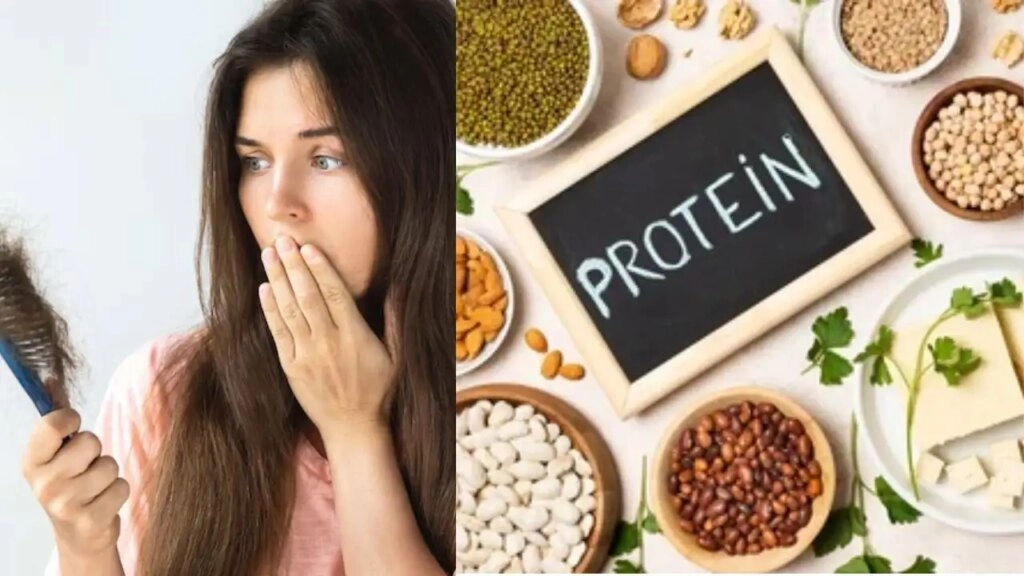
Protein deficiency can manifest in various ways, affecting both physical and mental health. One of the most common signs is muscle weakness or loss, as protein plays a crucial role in building and repairing tissues. Individuals with insufficient protein intake may also experience fatigue, as proteins are vital for energy production. In more severe cases, symptoms can include swelling, particularly in the abdomen and legs, due to a condition known as edema, which arises from a lack of protein in the diet that affects fluid balance in the body. Additionally, individuals may notice changes in their hair, skin, and nails, as proteins are essential for their growth and maintenance. Mental health can also be impacted, with potential signs of mood swings, irritability, or cognitive difficulties, since proteins are involved in neurotransmitter function.
To combat protein deficiency, it is essential to include a variety of protein-rich foods in your diet. Animal-based sources such as lean meats, poultry, fish, eggs, and dairy products are considered complete proteins, containing all the essential amino acids the body needs. For those following a vegetarian or vegan diet, plant-based proteins can be found in legumes, nuts, seeds, tofu, and whole grains. Foods like lentils and chickpeas are excellent sources of protein, while quinoa and soy products provide complete proteins as well. Incorporating a diverse array of these foods can help ensure adequate protein intake, supporting overall health and well-being.
In addition to food sources, it’s important to be mindful of the daily protein requirements, which can vary based on age, sex, activity level, and overall health status. Generally, adults should aim for a daily intake that meets around 10-35% of their total caloric intake from protein. For those engaging in regular exercise or strength training, the protein needs may increase to support muscle repair and growth. Regularly assessing dietary habits and making adjustments as necessary can be beneficial in preventing protein deficiency and its associated health risks. By prioritizing protein-rich foods and maintaining a balanced diet, individuals can promote optimal health and vitality.