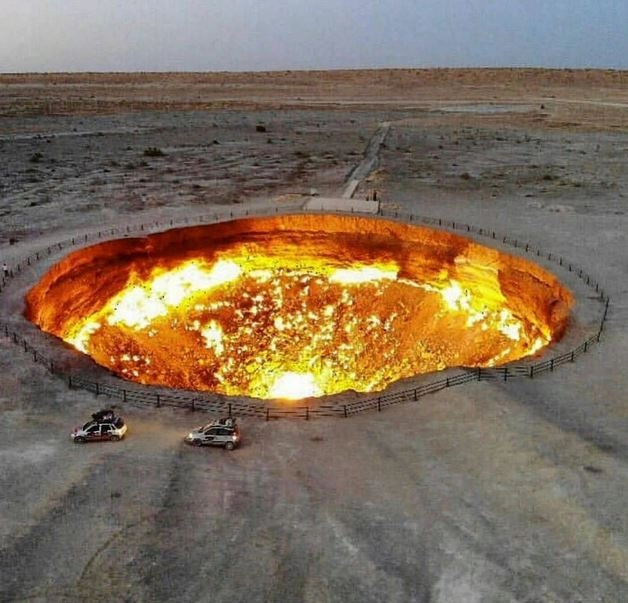
A Muslim-majority country is facing an alarming environmental crisis as it grapples with the sudden formation of approximately 700 deep pits across its landscape. These depressions, which have emerged seemingly overnight, have left scientists and researchers astonished by their sheer number and the speed at which they have appeared. The phenomenon has raised numerous questions about the geological and environmental factors at play, prompting experts to investigate the causes behind this unusual occurrence.
The formation of these deep pits could be attributed to a variety of factors, including geological instability, climate change, and human activity. In some cases, the ground may be collapsing due to the depletion of underground water sources, which can result from excessive extraction and usage. Additionally, heavy rainfall and flooding can exacerbate the situation, leading to erosion and the development of sinkholes. As scientists delve deeper into the issue, they are not only concerned about the immediate impact on the landscape but also the potential long-term consequences for the local communities and ecosystems.
The local population is understandably anxious about the implications of these pits, which pose risks to infrastructure, agriculture, and overall safety. As these deep depressions continue to form, residents are left grappling with uncertainty about their future. The government and environmental agencies must take urgent action to address the situation, implementing measures to mitigate further damage and to protect the affected areas. This crisis serves as a stark reminder of the fragile relationship between humans and the environment, highlighting the need for sustainable practices to preserve the land and its resources for future generations.