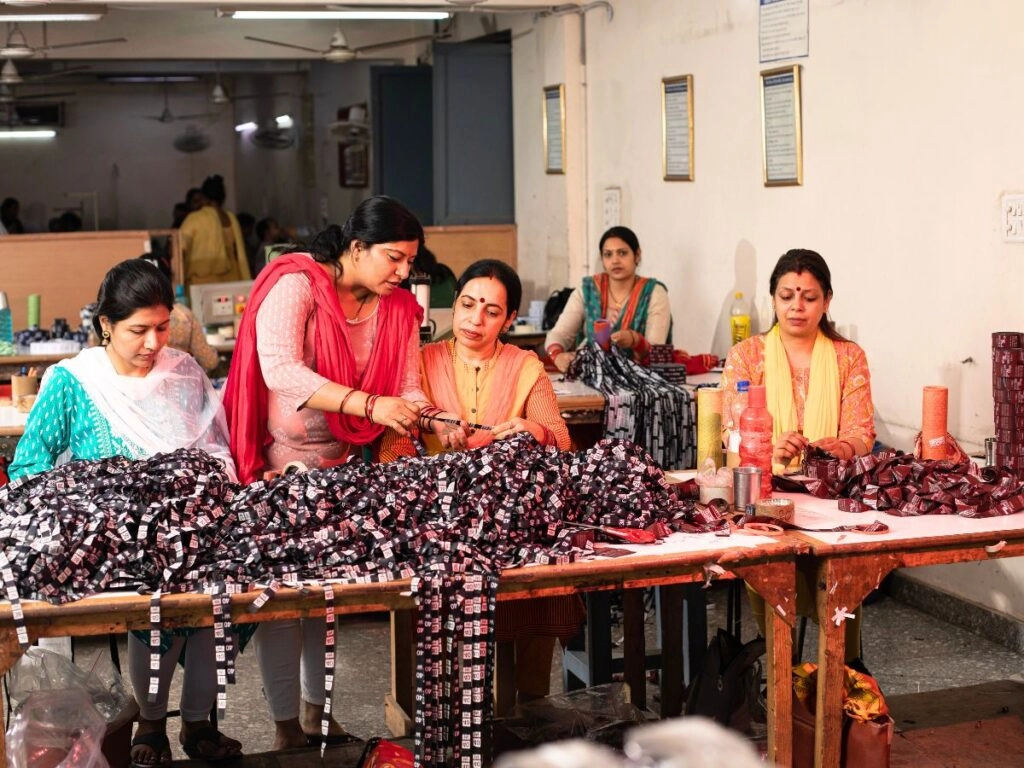
A recent report highlights the potential of India’s new labor codes to significantly enhance opportunities for women in the workforce. Historically, women in India have faced numerous barriers to employment, including societal norms, limited access to education, and inadequate workplace support. However, the introduction of these labor codes is seen as a pivotal step toward dismantling these obstacles. By establishing more equitable labor practices and protections, the codes could create an environment that encourages greater female participation in various sectors.
The report emphasizes that these labor codes aim to simplify the regulatory framework and provide better working conditions, which can be particularly beneficial for women. For instance, the codes advocate for improved maternity benefits, flexible working hours, and enhanced safety measures in the workplace. Such provisions can provide women with the necessary support to balance their professional and personal responsibilities, thereby making employment more accessible and appealing.
Moreover, the report points out that empowering women in the workforce can have far-reaching implications for the economy. Increased female participation can lead to higher productivity and innovation, contributing to economic growth. As women gain more opportunities and representation in various industries, their contributions can help to address gender disparities and inspire future generations. Ultimately, the successful implementation of these labor codes could be a transformative force in creating a more inclusive workforce in India, unlocking untapped potential and driving sustainable development.