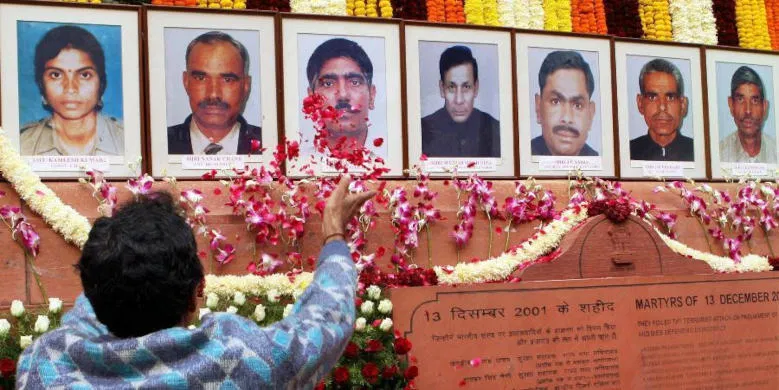
The attack on the Parliament is a significant event that underscores the complexities of contemporary conflicts, particularly the enduring logic of proxy warfare. This incident exemplifies how state and non-state actors utilize proxies to achieve their strategic objectives while minimizing direct involvement. Proxy warfare allows nations to exert influence and achieve military aims indirectly, often leading to prolonged conflicts that are difficult to resolve. The intricacies of this approach reveal a landscape where accountability is obscured, and the lines between combatants and civilians are blurred.
In the case of the Parliament attack, the motivations behind such an act can be traced back to broader geopolitical dynamics. Proxies are often employed by powerful nations to destabilize regions, support insurgencies, or counter perceived threats without incurring the costs associated with direct military intervention. This not only complicates the security environment but also poses challenges for national governments striving to maintain order and protect their sovereignty. The repercussions of such attacks extend beyond immediate violence, impacting political stability and public trust in institutions.
Moreover, the consequences of proxy warfare extend into the realm of international relations, as countries navigate the delicate balance between supporting allies and managing adversaries. The attack serves as a reminder of how proxy engagements can spiral into larger conflicts, drawing in various stakeholders and complicating peace efforts. Ultimately, the enduring logic of proxy warfare highlights the need for comprehensive strategies that address the root causes of such violence, promote dialogue, and foster cooperation among nations to mitigate the risks associated with indirect conflicts. As the global landscape continues to evolve, understanding the implications of proxy warfare remains crucial for policymakers and scholars alike.