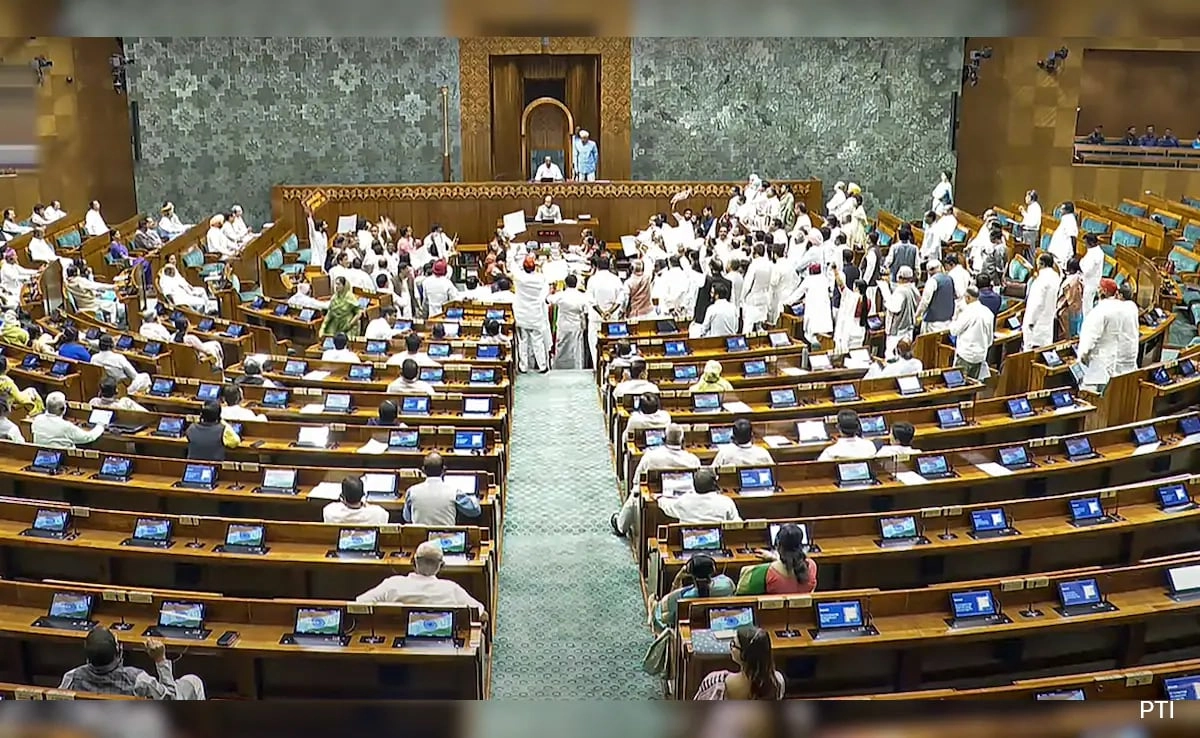
In a recent session of the Lok Sabha, Congress leader Rahul Gandhi raised concerns regarding the increasing centralization of power in India, particularly pointing out the dominance of a single organization over various key institutions, including educational bodies, the Central Bureau of Investigation (CBI), and the Enforcement Directorate (ED). This statement highlights his apprehension about the erosion of democratic processes and the potential undermining of independent institutions that are crucial for the functioning of a healthy democracy.
Gandhi’s remarks reflect a broader sentiment among opposition parties who believe that the current government is consolidating power and stifling dissent. By asserting that one organization has essentially taken control of these vital institutions, he underscored the fear that they may no longer operate autonomously or impartially. This situation raises significant questions about the integrity of investigations conducted by agencies like the CBI and ED, which are often tasked with upholding the rule of law and ensuring accountability.
The implications of such a concentration of power extend beyond the political realm; they impact education, governance, and civil liberties. Educational institutions, which should foster critical thinking and free expression, may become sites of ideological conformity rather than platforms for diverse viewpoints. Furthermore, the functioning of investigative agencies could be compromised, leading to concerns about justice and fairness in legal proceedings. As Gandhi’s comments resonate, they serve as a call to action for safeguarding democratic institutions and ensuring that they remain accountable to the people rather than to any single entity or ideology.