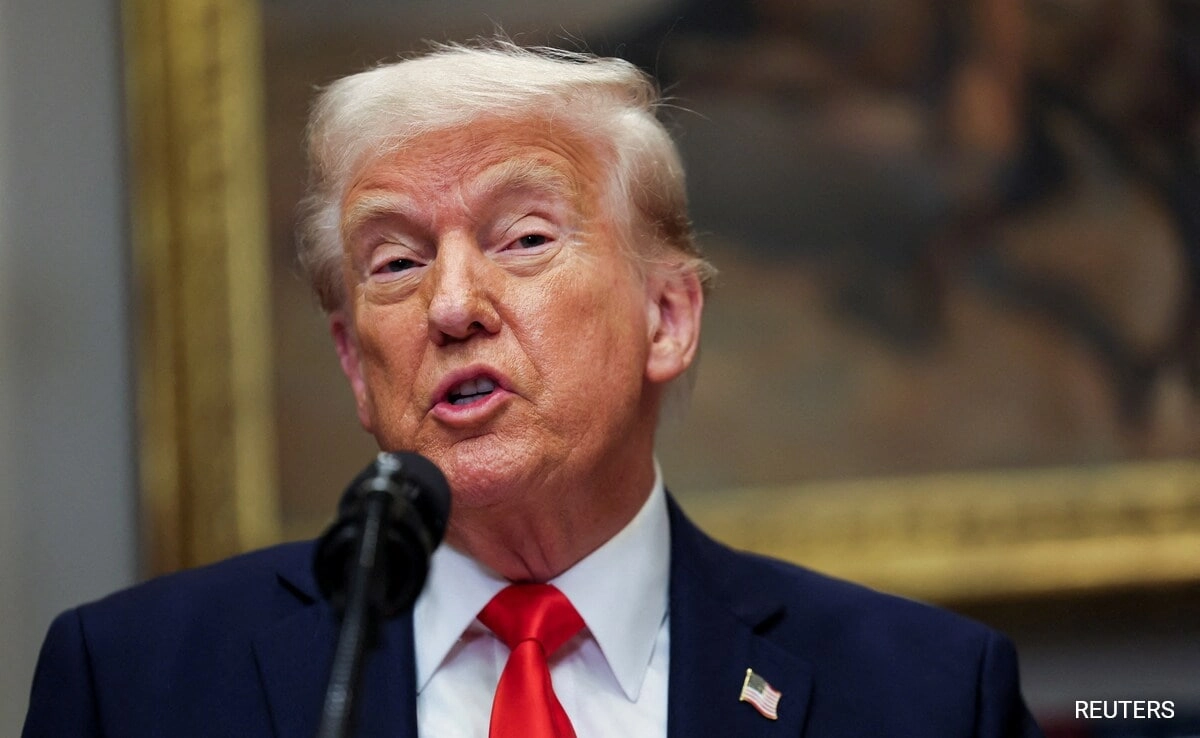
In a significant move impacting international trade and the automotive industry, former President Donald Trump has announced the imposition of a 25% tariff on foreign-made vehicles. This decision, which aims to bolster domestic manufacturing and protect American jobs, has sparked a wave of debate among economists, policymakers, and industry leaders. The tariffs are intended to level the playing field for American car manufacturers, who have long argued that foreign competitors benefit from unfair advantages, such as lower labor costs and less stringent regulations. By increasing the cost of imported vehicles, the Trump administration hopes to encourage consumers to purchase domestically produced cars, thereby stimulating the U.S. economy.
Supporters of the tariffs contend that this measure will lead to job creation within the automotive sector and help revitalize manufacturing in the United States. They argue that protecting American industries from foreign competition is essential for maintaining national economic security and preserving the American way of life. Furthermore, proponents believe that the tariffs will incentivize automakers to invest in new technology and production facilities in the U.S., driving innovation and growth.
However, critics of the tariff policy warn that such measures could lead to higher prices for consumers, as automakers may pass the increased costs onto buyers. Additionally, there are concerns about potential retaliatory actions from foreign governments, which could escalate into a trade war and negatively affect other sectors of the economy. The automotive industry is particularly vulnerable, as it relies heavily on global supply chains for parts and materials. Analysts suggest that the tariffs could disrupt these supply chains, leading to delays in production and shortages of vehicles.
As the announcement unfolds, the implications of the tariffs will be closely monitored by various stakeholders, including consumers, manufacturers, and foreign governments. The long-term effects of this policy remain to be seen, but it is clear that the automotive landscape in the United States is poised for significant changes. The balance between protecting domestic industries and maintaining competitive pricing for consumers will be a critical factor in assessing the success of this tariff initiative. In the coming months, the dialogue surrounding these tariffs will likely intensify, highlighting the complexities and challenges of modern trade policy in an interconnected global economy.