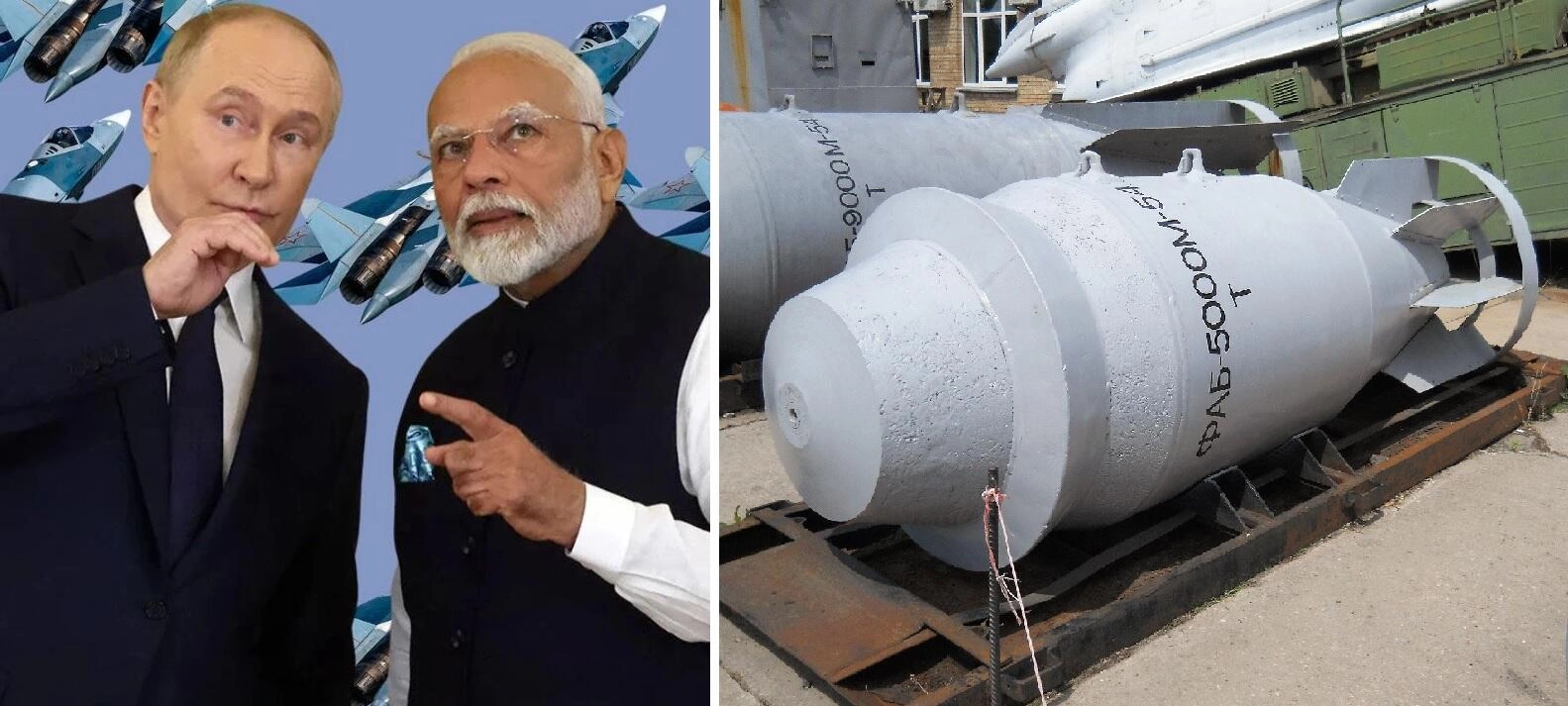
Russia’s advanced weaponry has long been a topic of intrigue and concern in global military circles, particularly with the development of what is being referred to as a “super bomb.” This powerful bomb is capable of causing widespread destruction, effectively clearing entire airbases in a single strike. The implications of such a weapon are significant, raising questions about military strategy and the balance of power in various regions.
The potential for Russia to share this technology with other nations, including India, has sparked discussions about defense partnerships and military cooperation. India has been historically aligned with Russia in terms of defense procurement, and the prospect of acquiring such advanced weaponry could enhance India’s strategic capabilities. However, it also raises important considerations regarding regional security dynamics and the potential for escalation in conflicts.
While the idea of a super bomb might sound appealing for bolstering defense, it also poses ethical and humanitarian concerns. The sheer destructive power of such a weapon could lead to catastrophic consequences in conflict zones, prompting debates about the moral implications of its use. As nations navigate the complexities of modern warfare, the focus remains on balancing military strength with the need for stability and peace in the region.
In conclusion, the discourse surrounding Russia’s super bomb and its potential impact on global security is multifaceted. As countries like India evaluate their defense strategies, they must weigh the benefits of advanced weaponry against the potential risks of increased tensions and conflict. The future of military cooperation between nations will likely hinge on these delicate considerations as they seek to navigate an increasingly complex geopolitical landscape.