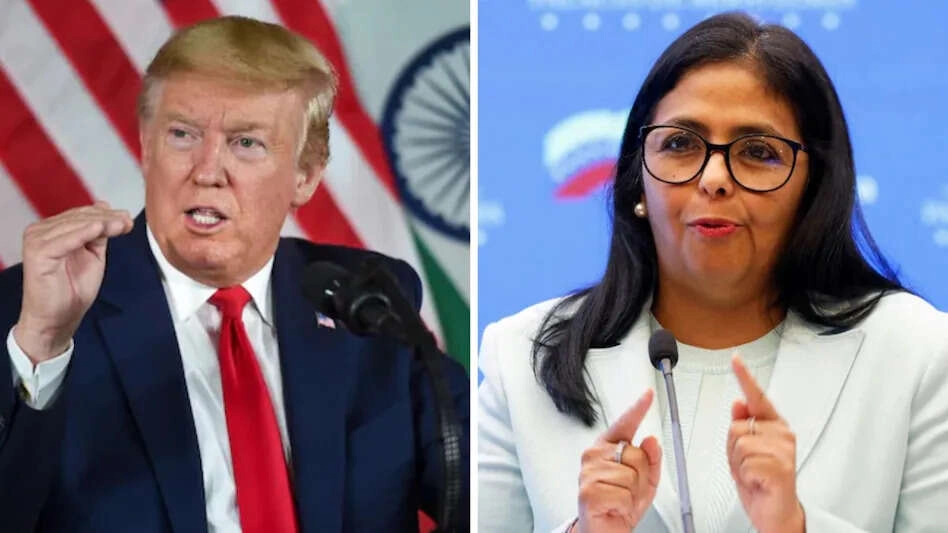
The European Union recently imposed a hefty fine of 126 billion rupees on a close associate of former President Donald Trump, igniting a fierce reaction from the U.S. leader. This significant penalty has raised eyebrows, not just within the United States but also globally, as it reflects the ongoing tensions between the EU and the U.S. regarding various economic and political matters. Trump, known for his combative style and strong responses to perceived injustices, expressed his outrage over the fine, suggesting that it was an unjust attack on his allies and a reflection of the EU’s growing assertiveness in the international arena.
In response to the backlash from Trump, U.S. Secretary of State Antony Blinken delivered a firm and pointed rebuttal. Blinken emphasized the importance of standing by American interests and allies, while also highlighting the need for cooperative approaches in dealing with international disputes. His remarks underscored the delicate balance that the Biden administration is trying to strike between maintaining strong diplomatic relations with Europe and defending its domestic stakeholders. This incident has further complicated the already intricate relationship between the U.S. and the EU, which has been characterized by both collaboration and contention over recent years.
The situation raises critical questions about the implications of such fines on international business practices and the potential repercussions for transatlantic relations. The U.S. has historically been protective of its businesses and political figures, and fines of this magnitude could lead to retaliatory measures or heightened tensions between the two regions. As the global economy continues to navigate the challenges posed by the pandemic and geopolitical shifts, the response from both the U.S. and EU will be closely monitored, as it may set a precedent for future interactions in international trade and politics.