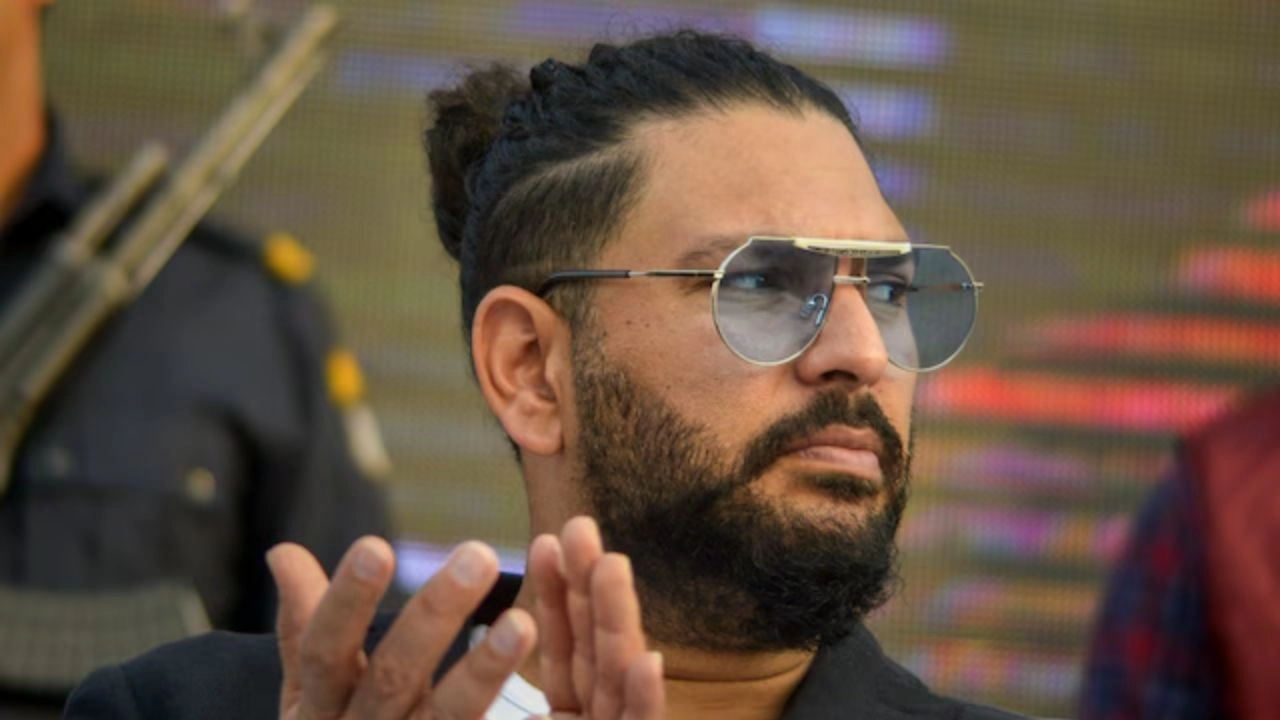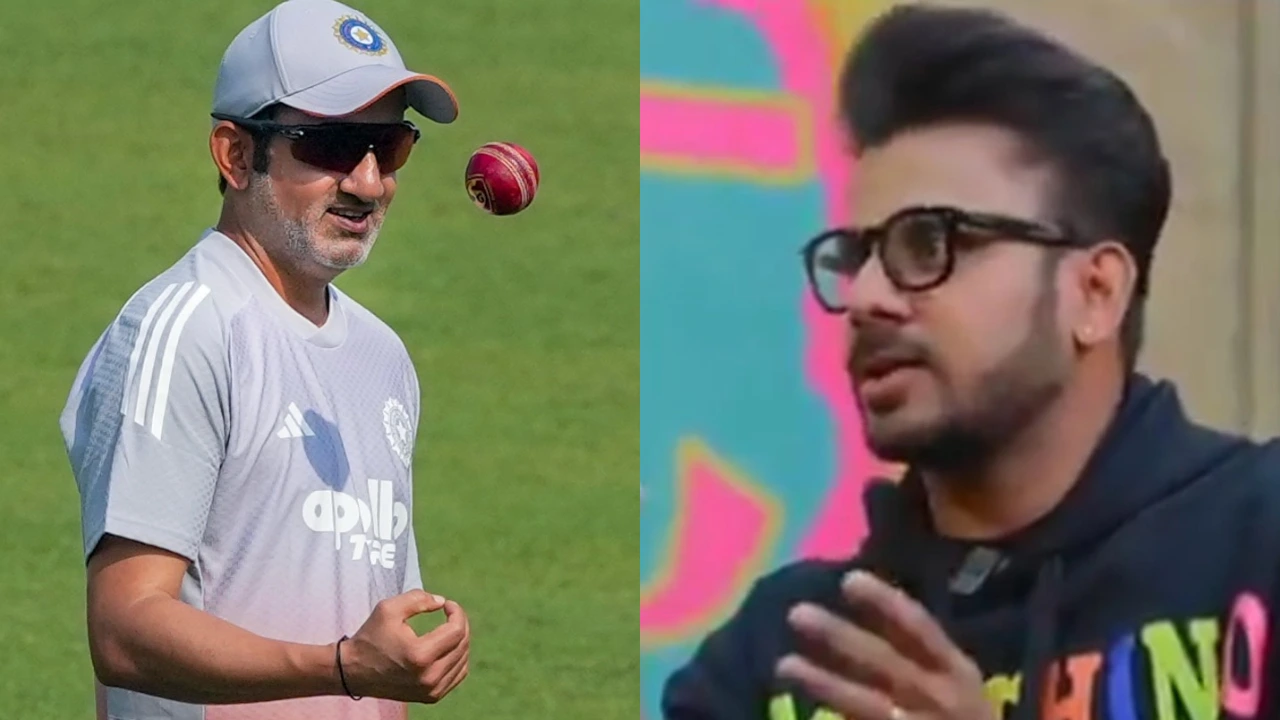
In a provocative statement that has stirred the cricketing community, Manoj Tiwary has called for the removal of Gautam Gambhir from his position, arguing that such a move is essential for the betterment of Indian Test cricket. Tiwary’s remarks were directed toward Devajit Saikia, highlighting his concerns about the current state of the Indian Test team and the leadership under Gambhir. The former Indian cricketer has voiced his belief that Gambhir’s approach and strategies may not align with the evolving demands of modern Test cricket, which requires adaptability and a deeper understanding of the game’s nuances.
Tiwary’s assertion opens up a broader conversation about the management and coaching dynamics within Indian cricket. As the game continues to evolve, the need for innovative thinking and strategies has never been more crucial. Tiwary argues that the current leadership may be stuck in outdated paradigms that could hinder the team’s performance on the international stage. His comments suggest that Gambhir, despite his illustrious playing career, may not possess the necessary vision to guide the team through the challenges posed by contemporary cricket, where agility, mental toughness, and strategic foresight are paramount.
The implications of Tiwary’s statement extend beyond just one individual. It raises questions about the accountability of those in leadership roles within the Indian cricket setup and the importance of having a coaching staff that understands not only the technical aspects of the game but also the psychological and tactical dimensions. There is a growing sentiment among fans and analysts alike that fresh perspectives are needed to reinvigorate the Test team and restore its former glory. Tiwary’s call to action is a reflection of these concerns, suggesting that a shake-up at the top could be the first step toward revitalizing Indian Test cricket.
As the cricketing fraternity ponders Tiwary’s bold stance, the focus now shifts to the decision-makers within the Board of Control for Cricket in India (BCCI). Will they heed his warning and consider a change in leadership, or will they defend the current regime? The future of Indian Test cricket may depend on the answers to these questions, as stakeholders from players to fans await developments that could reshape the landscape of the sport in the country. Tiwary’s comments serve as a vital reminder that the path to success in cricket is not just about past glories but also about making tough decisions that prioritize performance and growth in the ever-competitive arena of international cricket.