India’s recent performance in the Kolkata Test match has resulted in a historic low for the national cricket team, particularly under the leadership of Gautam Gambhir. The match not only ended in a loss but also established a new record for the worst batting performance in the team’s history. This disappointing outcome has raised significant concerns about the team’s current form and strategy, leading to discussions among fans and cricket analysts alike regarding the potential implications for the future.
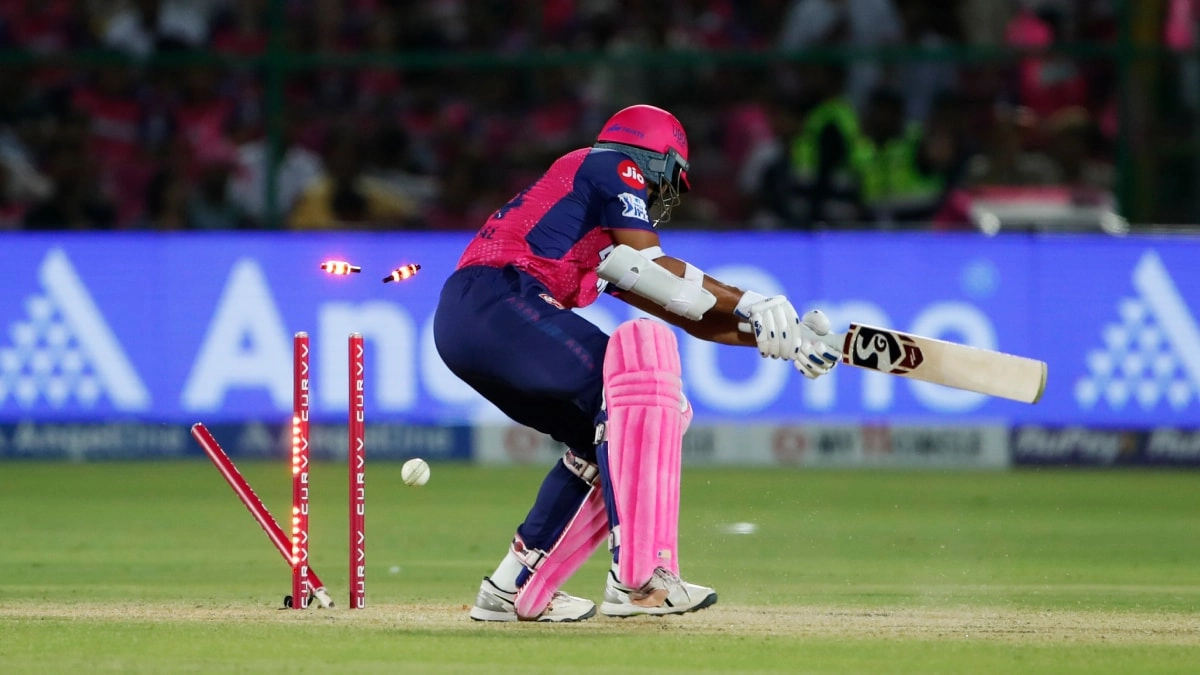
The Kolkata Test showcased a series of batting failures that culminated in a dismal team score, reflecting a lack of resilience and technique among the players. With Gambhir at the helm, expectations were high, but the inability to adapt to the pitch conditions and the pressure of the match proved detrimental. The team’s batting lineup, once considered a formidable force, struggled to post competitive totals, ultimately leading to their downfall. This performance has not only affected the players’ confidence but also raised questions about selection decisions and the effectiveness of the coaching staff.
As the cricketing world scrutinizes India’s performance, it is clear that changes may be necessary to regain the team’s competitive edge. The historic low is not merely a statistical anomaly; it serves as a wake-up call for the players and management alike. Gambhir, as captain, faces the challenge of revitalizing the squad and addressing the underlying issues that have contributed to this batting debacle. Moving forward, the focus will need to be on rebuilding the team’s confidence, honing their skills, and developing a more resilient batting approach to avoid similar pitfalls in future matches.