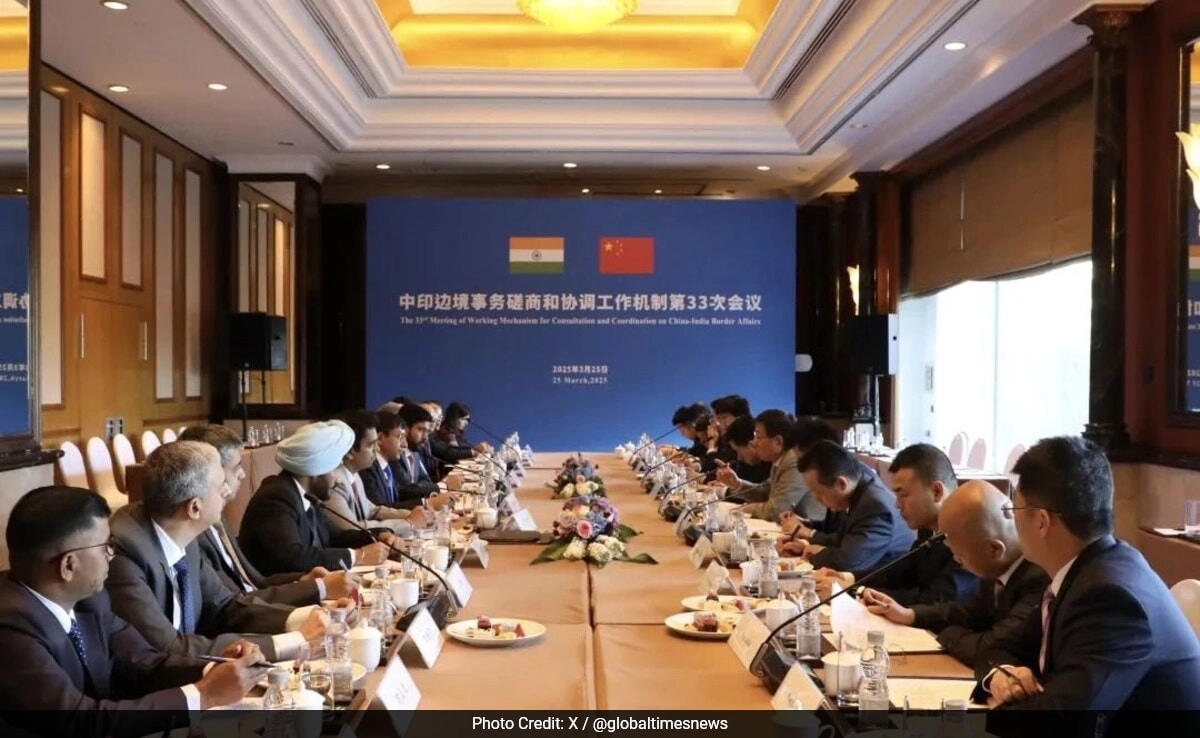
India and China recently convened in Beijing to review the current status of the Line of Actual Control (LAC), a critical boundary between the two nations that has been a focal point of tension in recent years. This meeting, which was aimed at fostering dialogue and understanding, served as a diplomatic platform for both countries to address ongoing issues related to border disputes and military deployments in the region. The discussions were marked by a commitment to maintain peace and stability along the LAC, reflecting both nations’ desire to avoid escalation and ensure a secure environment for their respective border forces.
During the talks, representatives from both countries underscored the importance of adhering to existing agreements and protocols designed to mitigate misunderstandings and avoid confrontations. They acknowledged the need for effective communication mechanisms to handle any incidents that may arise in the border areas. Furthermore, both sides expressed a mutual interest in enhancing cooperation in various sectors, which could contribute to building trust and confidence between the two nations. This collaborative approach is crucial, especially considering the historical complexities and sensitivities surrounding the border dispute.
Additionally, the meeting highlighted the significance of ongoing military disengagement processes that have been initiated in previous rounds of discussions. Both sides reaffirmed their commitment to maintaining the status quo along the LAC, emphasizing the importance of implementing measures that prevent further militarization of the border. The dialogue reflects a cautious optimism, with both India and China recognizing the necessity of a stable and peaceful border environment for broader regional security and economic cooperation. The outcome of this meeting is seen as a step forward in managing bilateral relations, demonstrating that despite longstanding differences, dialogue remains a key tool in addressing complex issues.
In conclusion, the recent discussions in Beijing represent a critical juncture in India-China relations, particularly concerning the LAC. The emphasis on dialogue, adherence to agreements, and the commitment to peace and stability indicate a willingness to work through differences. As both nations navigate their complex relationship, continued engagement and diplomacy will be essential in fostering a more stable and cooperative environment along their shared border. This meeting not only addresses immediate concerns but also sets the stage for future interactions aimed at resolving long-standing issues in a constructive manner.