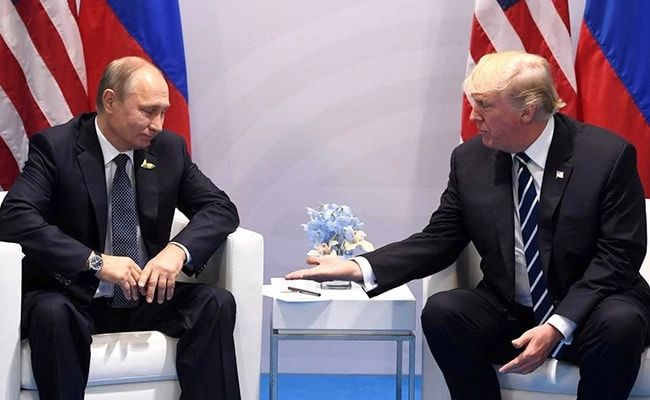
In a recent call between former President Donald Trump and Russian President Vladimir Putin, several significant topics were discussed, reflecting the complex and often tense relationship between the two nations. One of the primary focuses of their conversation was a proposed 30-day truce, aimed at de-escalating ongoing conflicts and fostering a more stable geopolitical environment. Both leaders recognized the importance of dialogue and cooperation in addressing pressing global issues, including military tensions and economic sanctions. The idea of a temporary ceasefire underscores a mutual acknowledgment of the need to seek common ground, especially in light of mounting international pressures.
The call also touched upon the potential for a friendly hockey match, which served as a metaphorical gesture towards building camaraderie and goodwill between the United States and Russia. This light-hearted suggestion highlights the importance of cultural exchanges and sports diplomacy in bridging divides. While the notion of a hockey game may seem trivial in the grand scheme of international relations, it symbolizes a desire for connection and understanding, even amid serious political disagreements. Engaging in activities that promote teamwork and collaboration could pave the way for more substantial discussions on critical issues, such as arms control and economic cooperation.
Furthermore, the dialogue reflects the broader context of U.S.-Russia relations, characterized by fluctuating tensions and occasional thawing moments. The emphasis on a truce and non-confrontational dialogue signifies both leaders’ recognition that stability is paramount in preventing further escalation of conflicts. As they navigate through a landscape marked by historical grievances and current disputes, the call illuminates the delicate balance between competition and cooperation that defines their interactions. Ultimately, the outcomes of such discussions will likely influence not only bilateral relations but also the international community’s approach to security and diplomacy in the years to come.